Excerpt 01: On Architecture Reapproximated
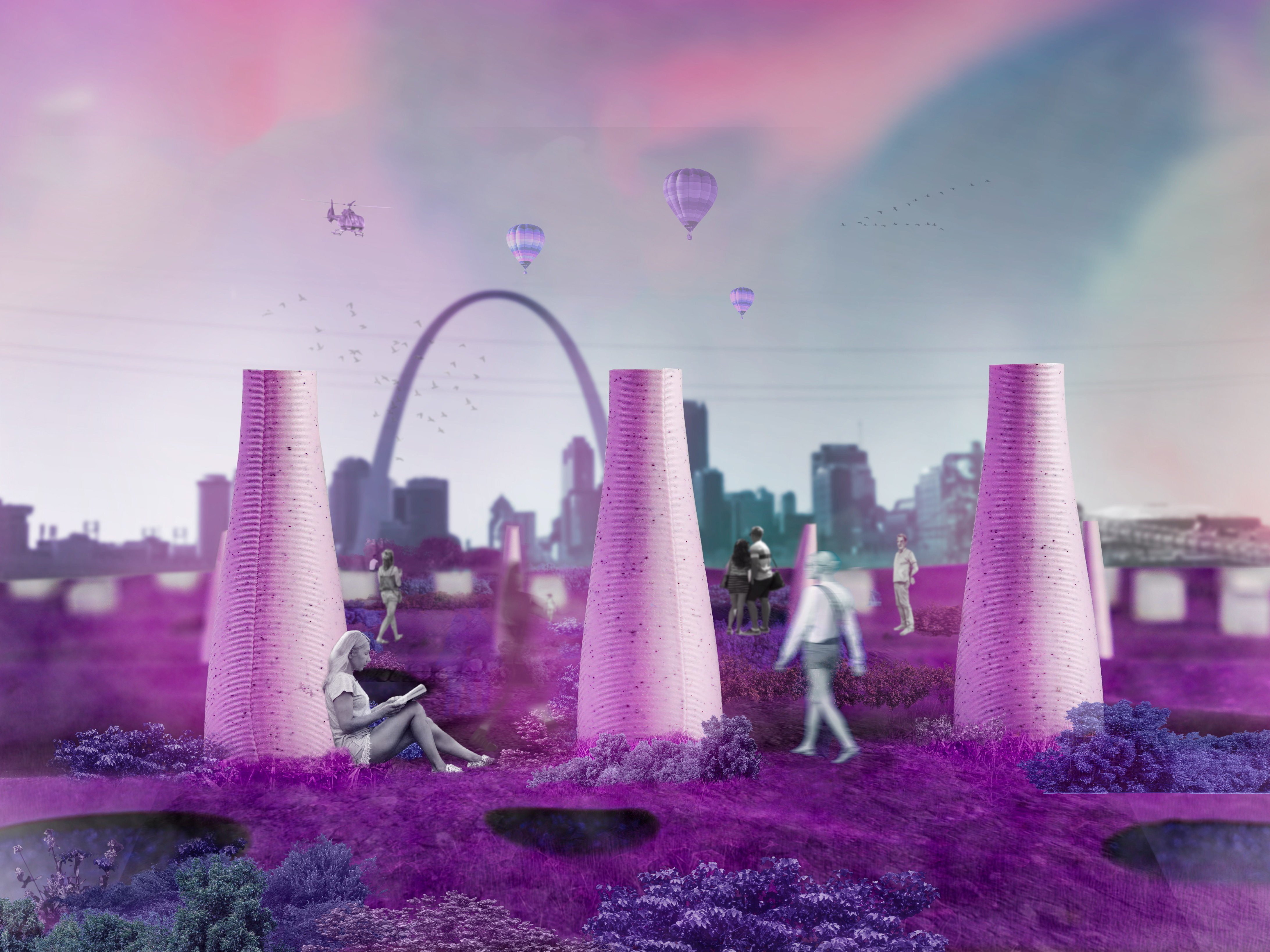
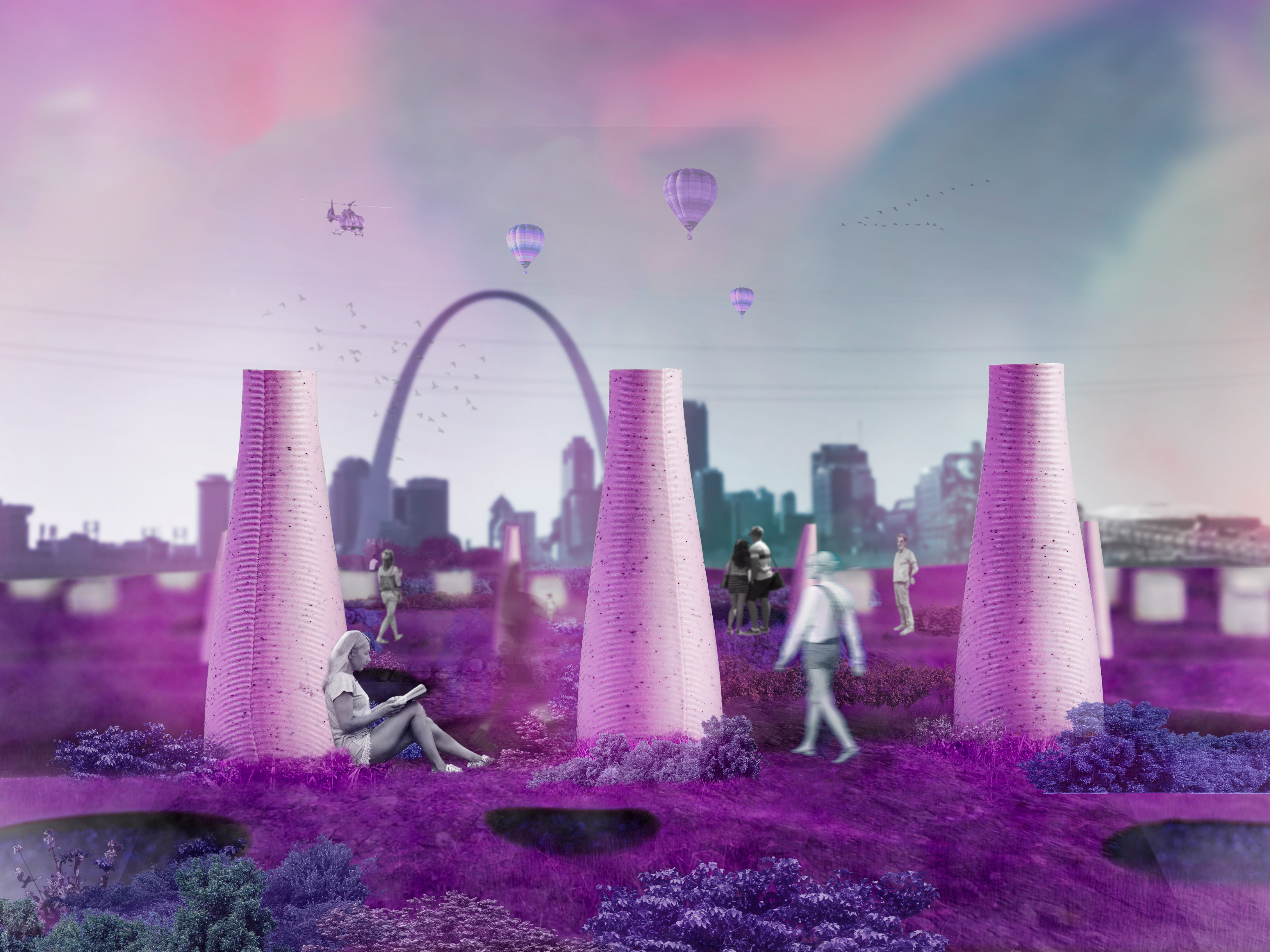
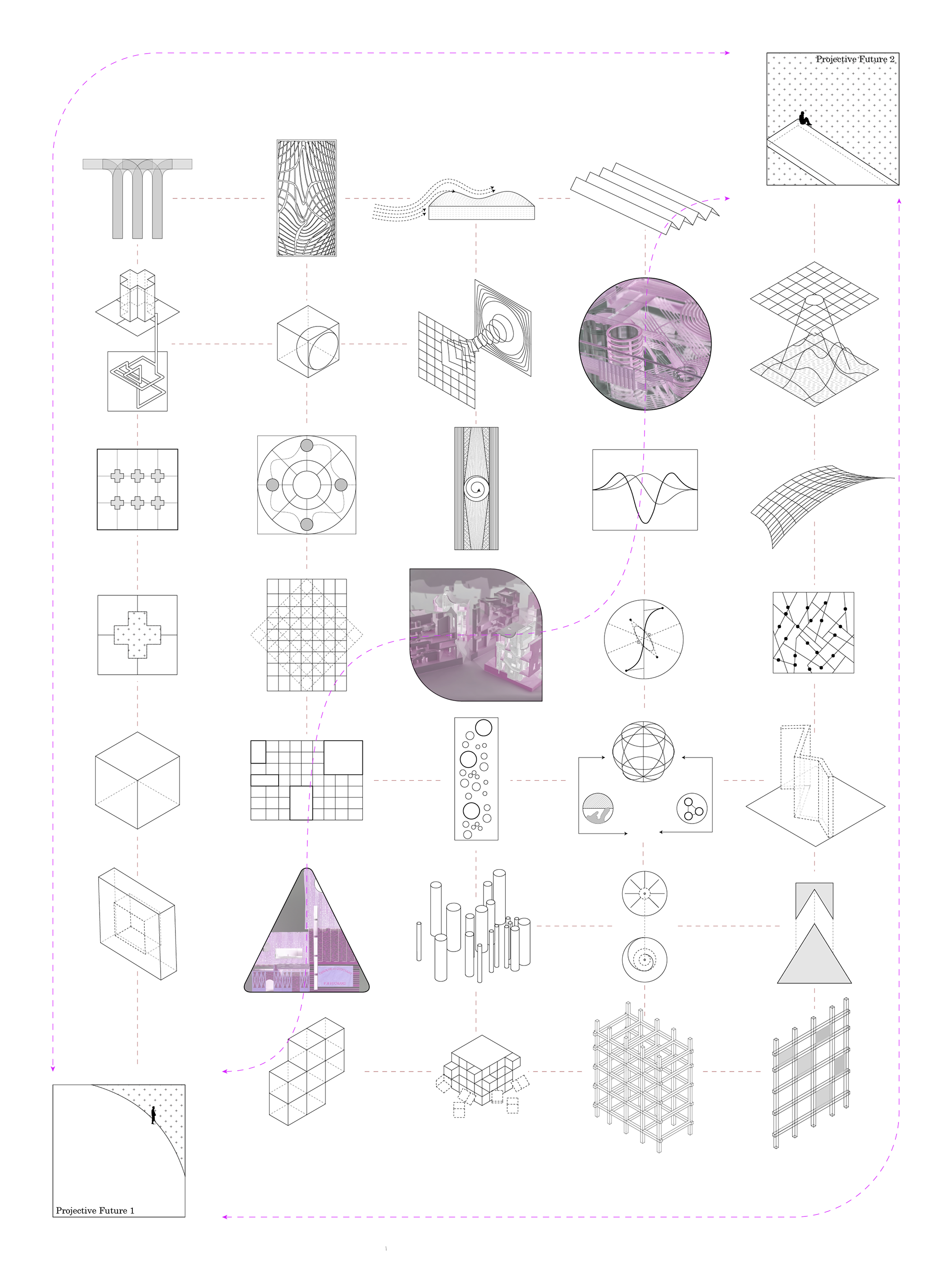
Architecture is perhaps the only discipline that can bridge dichotomies we often find absolute; the real and imaginary, material and immaterial, static and dynamic, and the physical and digital, or post digital. Yet, architecture and cities are caught in spatiotemporal flux, a love affair in tension that manifests itself in architecture’s ability to mediate these juxtaposed relationships. It is in this exact spot where I am drawn to study buildings and cities, in the convergence of our current condition and the projective future of urbanity, material culture, and discourse
What does brick want? Brick wants to be clay. But it also wants to be sculpted, imprinted upon, imperfect and rough. Similarly, cities want to be complex urban metabolisms, digesting information and materials while also being layered, stratified archives of information and intangible forces. A host for human and nonhuman actors to continuously interact, the city is granted agency and a collective dynamism. I find my own creative subconscious similarly drawn between two forces: Sarah Oppenheimer’s ability to disrupt spatial perception and constructs and Neeraj Bhatia’s ability to reconfigure and speculate upon vast landscapes and social systems.
The study of buildings and cities allows me to paradoxically unite these practices, fuse abstract with the seemingly mundane and the intimate with the scaleless in an effort to bridge cultures and shape the human condition. In this way, the study of buildings and cities continually inspires me; a culmination of all of humanity’s history and latent potential coalescing into built form and our collective urban imagination, rendering the architect as an imperative sculptor of space, time and culture.
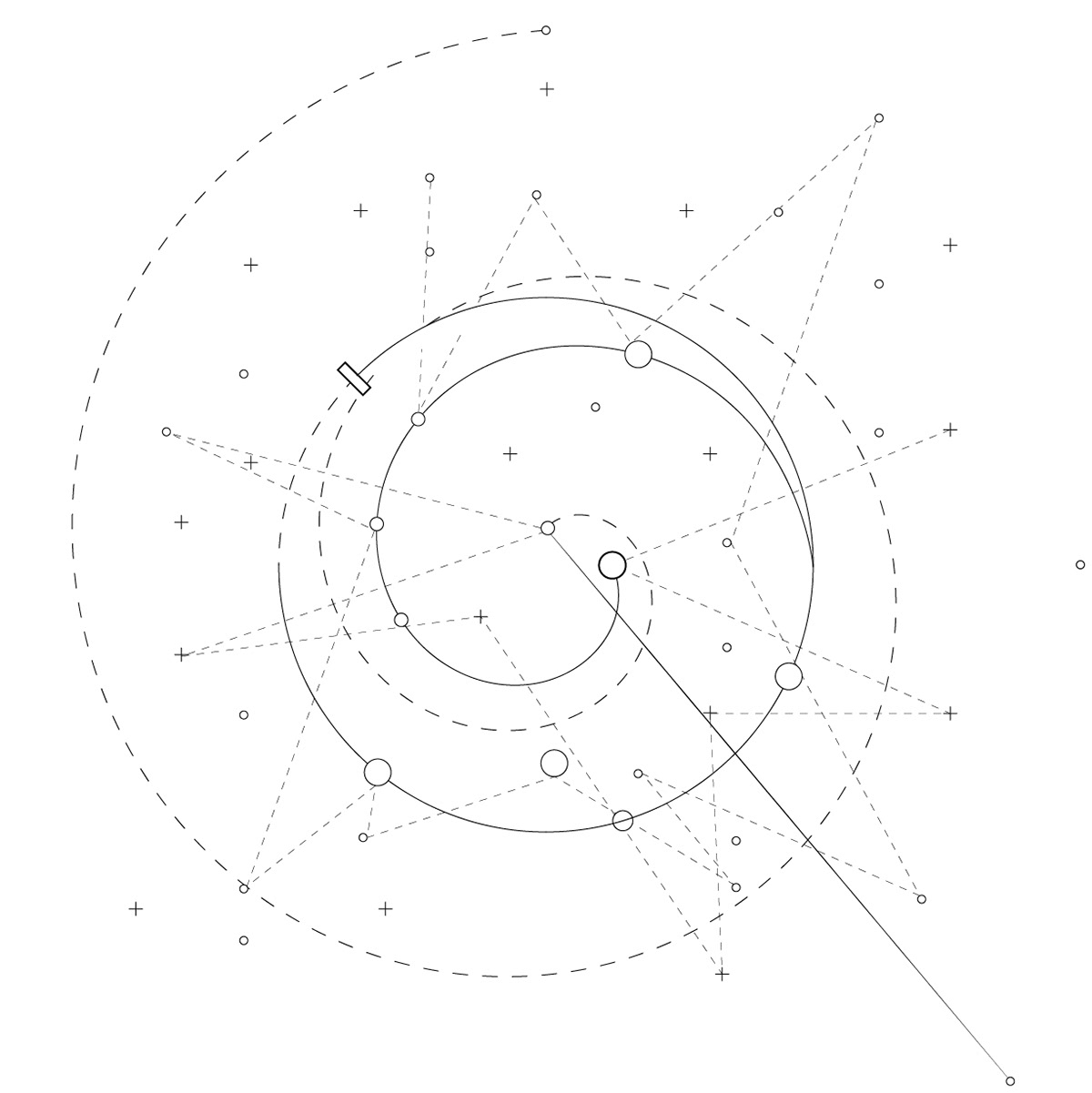
Mutating Memories & Entangled Visions
In Collaboration with Declan Dill
Included in MASKS Issue 4
When considering the notion of an urban palimpsest within the context of memory, time, and culture, nowhere is the unexpected more expected than in Gabriel García Márquez’s 100 Years of Solitude. in the fictional town of Macondo - a world in constant oscillation between one that we recognize, and a version unknown; a distorted reflection of our reality is an extension of Márquez’s imagination. But as time progresses, this push and pull shifts; Macondo becomes more exposed to the outside, tarnished by the external world, our world, all the while the book itself becomes more anthropomorphized, brought into the “humanoid sphere” as a part of our real, shared culture.
1. How does one mediate such an interaction?
2. How can we spatialize such exchanges?
3. More specifically, how can written text and architectonics seamlessly interact?
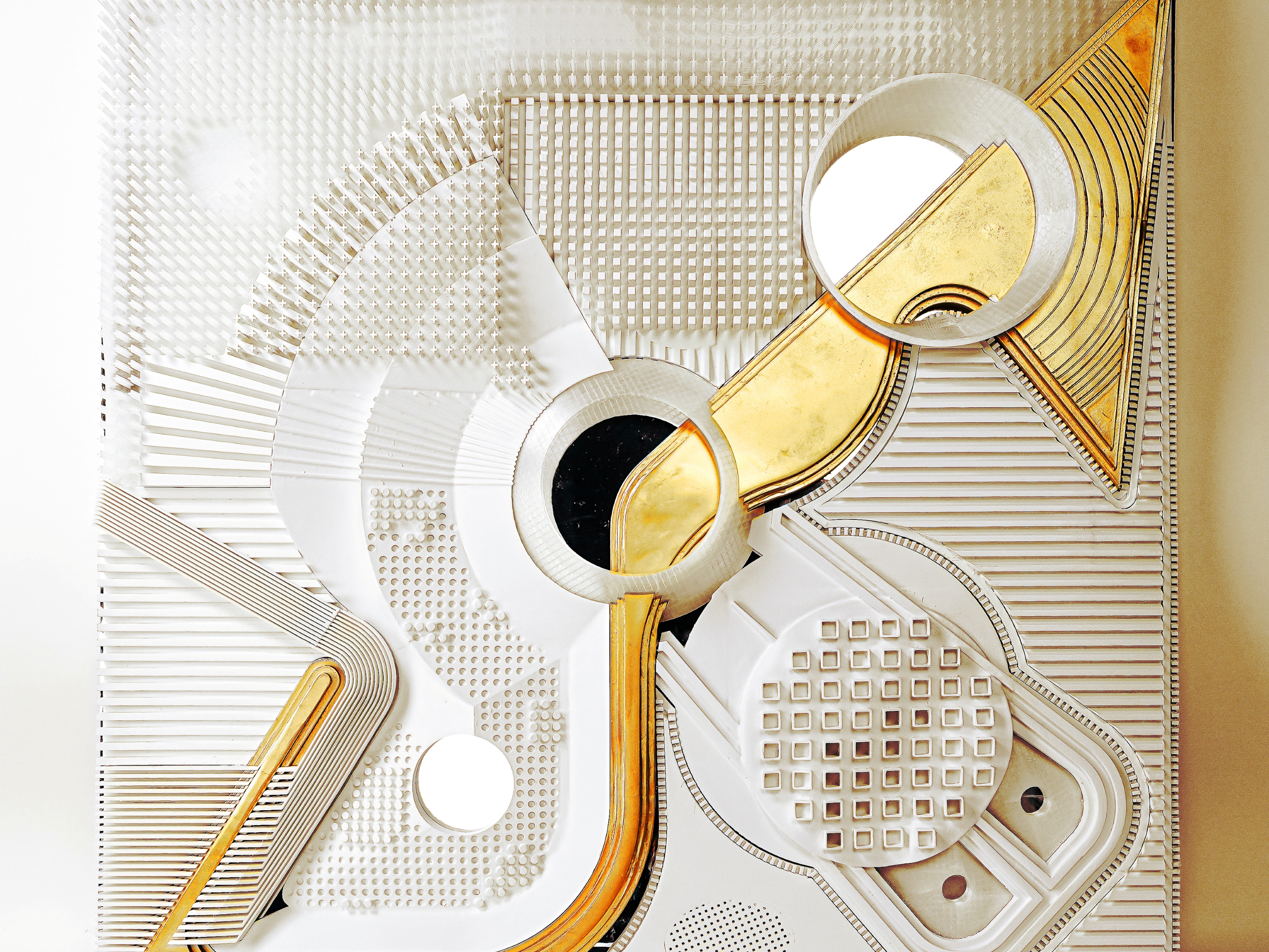
By examining the book as source material, our architectural proxy, and identifying insomnia and amnesia as key thematic parameters, we have formed an abstract data set, enabling us to render the second, third, and fourth dimensions of Macondo’s collective imagination. To formalize and materialize a framework from which we can spatialize the temporal flows of insomnia and amnesia in 100 Years of Solitude, we produced an analytical drawing, a stereo-drawing, that in our eyes, “freed vision from the shackles of verisimilitude and accuracy [and] instead lept into unseen, imagined, or distorted realities… which attended to the spectral and uncanny experiences of vision that were only possible through a more graphic abstraction.” Nonetheless, this vision required precise data translation - every instance where insomnia and amnesia occurred was marked and categorized by character, geographic location, associated symptoms, size of the outbreak, method of transmission, peripheral results in the town, duration, and impact on memory. This allowed us to attribute every single line, dash, hatch, thickness, and color to one of the aforementioned parameters. The result is an architectural tapestry, a “moving material structure” rich with communicative matters and exchanges that capture Macondoan culture.
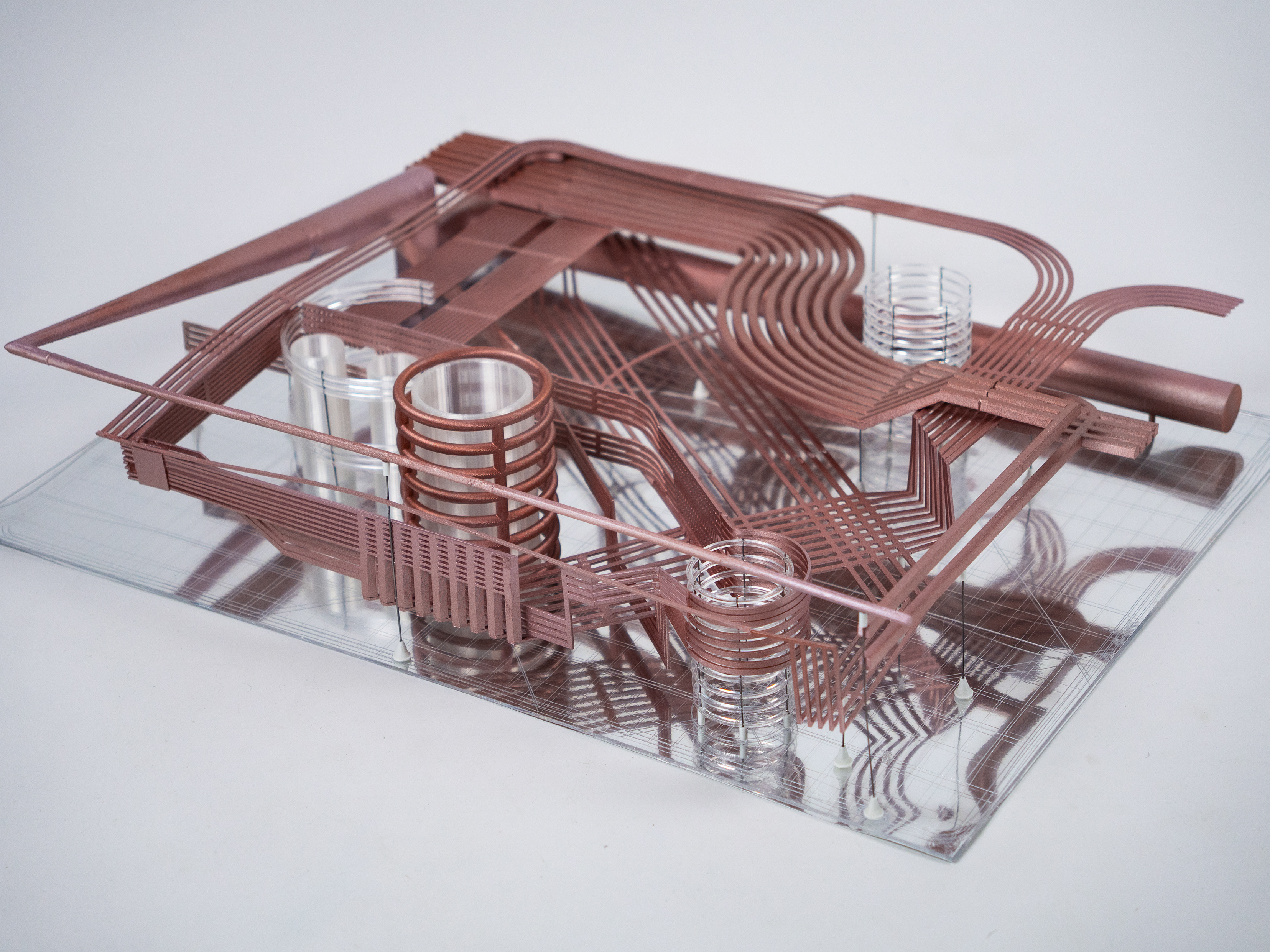
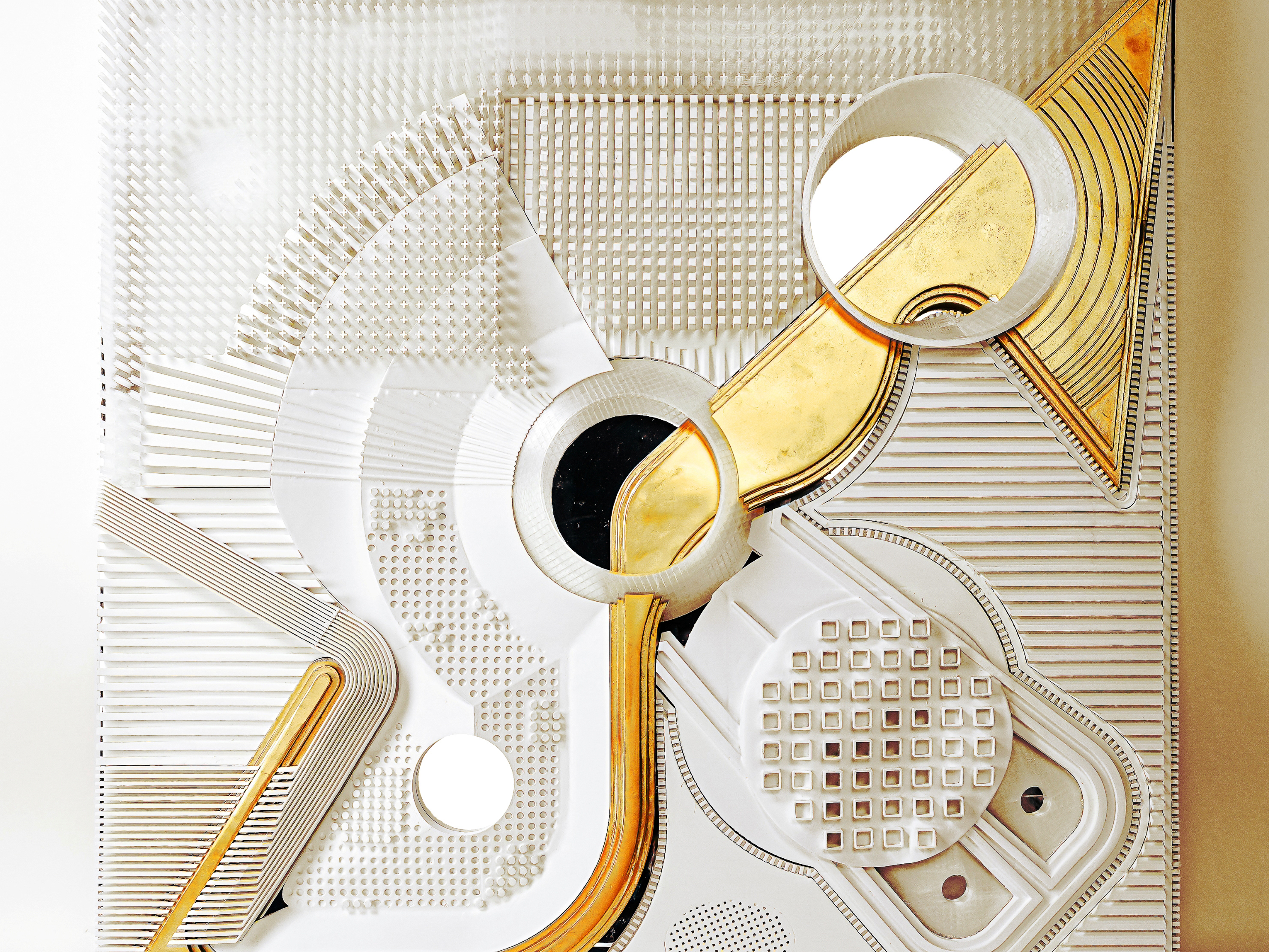
While the analytical drawing spatialized insomnia and amnesia through direct data translation, the formal, three-dimensional translation from drawing to object brought us into the haptic realm, unleashing infinite trajectories of the human experience and material relations, in which the object became the mediator. The drawing stops at the human eye, but the object does not stop at the human touch: it moved toward thoughts and cognitive engagement, prompting the viewer to participate in a reciprocal relationship with the object. Our fabricated object combines aspects of sensory illusions and immersive digital art to create a tangible yet abstract representation of García Márquez’s fictional world. It embodies the tension between the tangible and ephemeral, serving as a material mental map of Macondo’s architectural imagination. The three feet by three foot object explores thickness, fields, and self-similarity, using texture, perforation, transparency, and relief to create a multi-layered artifact that invites both intimate inspection and holistic appreciation. Perhaps the most difficult concept associated with insomnia and amnesia to represent is the nature of their disappearance and return, the notion of time as the traces and residues of the diseases seep into the characters and Macondo’s collective cultural memory in the context of a chronology that is warped and circular. By rendering our projection in “active retrospective motion”, our construct remains in flux, varying in spatiotemporal flow just as Macondo does. This time, we envision and project Macondo’s “spatial unconscious” through a series of geometric pulsations that express the emotional gestures of Macondo’s historical and cultural consciousness in real-time.
In essence, the object becomes a screen fabric, a constructed site of memory and transformation in which the projection becomes a haptic environment of temporal architectonics; layers of spacetime constructed by unfolding and projecting the material substrate of insomnia and amnesia. By experiencing the projection, one feels the texture of insomnia and the substance of amnesia; the audience is now a part of Macondo just as Macondo is a part of them, gaining an insight into Márquez’s inner image-making mechanism, his imagination.
1 Siegert, Bernhard. Cultural Techniques: Grids, Filters, Doors, and Other Articulations of the Real. New York, New York: Fordham University Press, 2015. 192.
2 Witt, Andrew. Formulations Architecture, Mathematics, Culture. Cambridge, Massachusetts: MIT Press, 2022, 152.
3 Bruno, Giuliana. Surface: Matters of Aesthetics, Materiality, and Media. Chicago, Illinois: The University of Chicago Press. 2014. 190.
4 Bruno, Giuliana. Surface: Matters of Aesthetics, Materiality, and Media. Chicago, Illinois: The University of Chicago Press. 2014. 190.