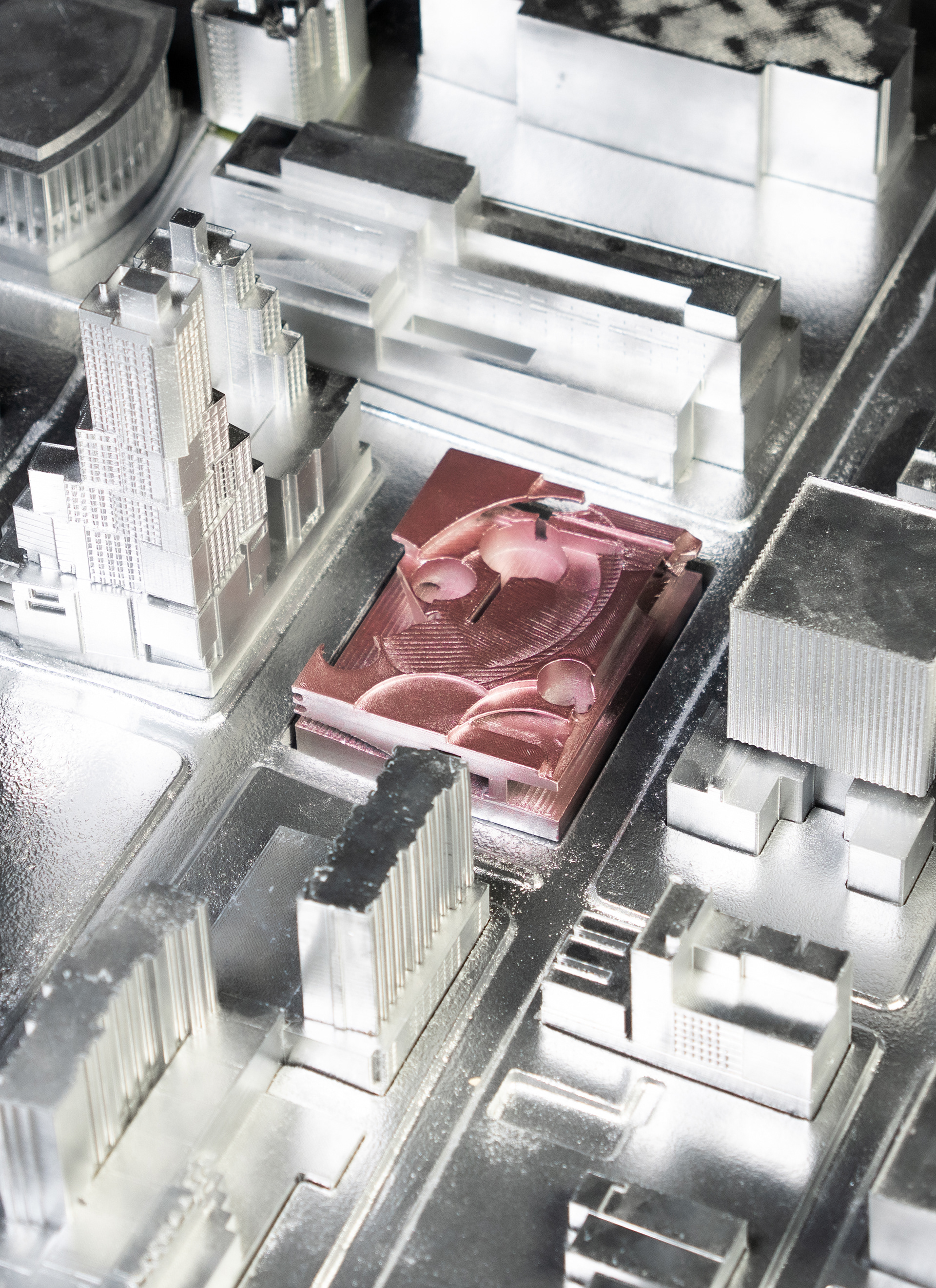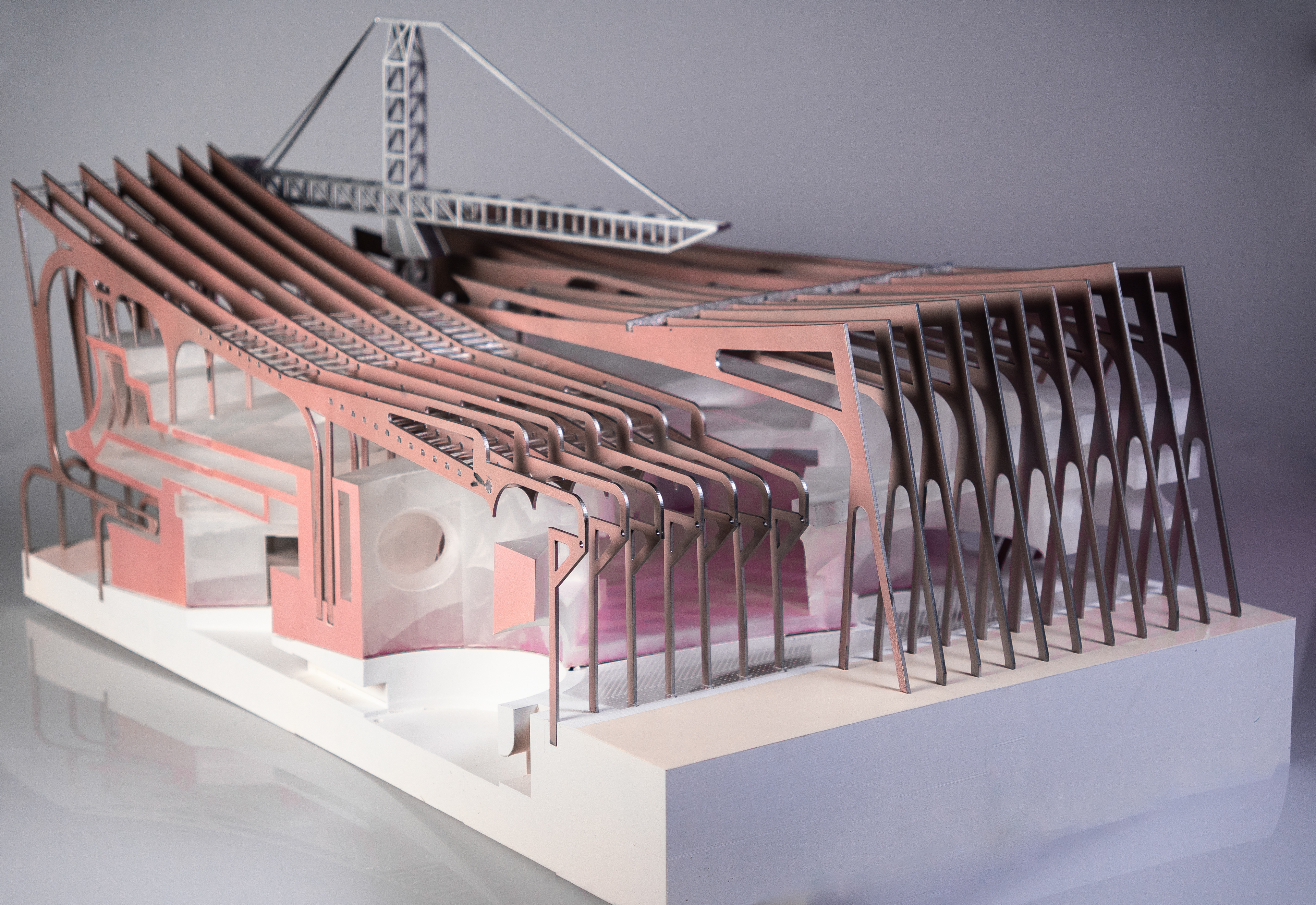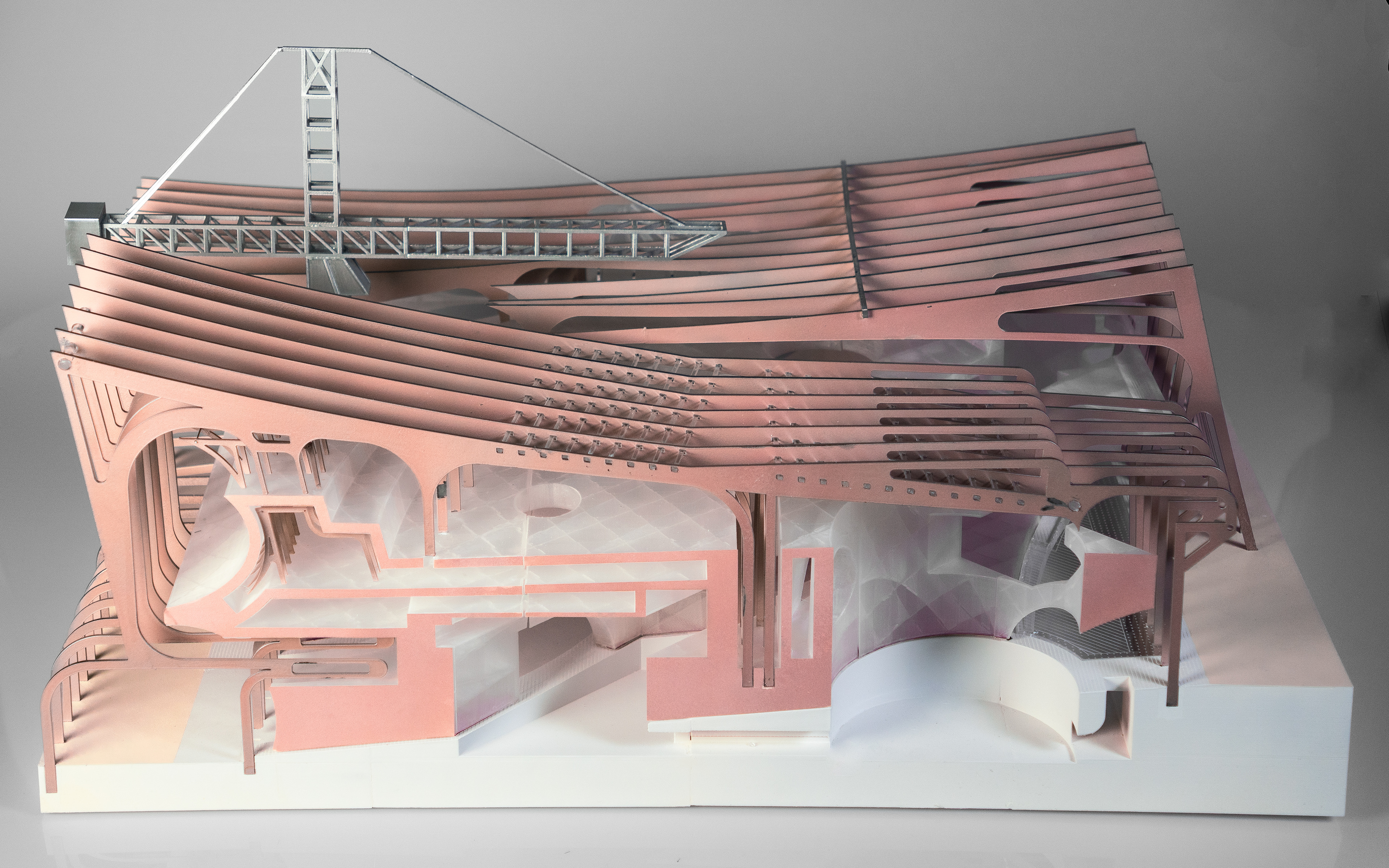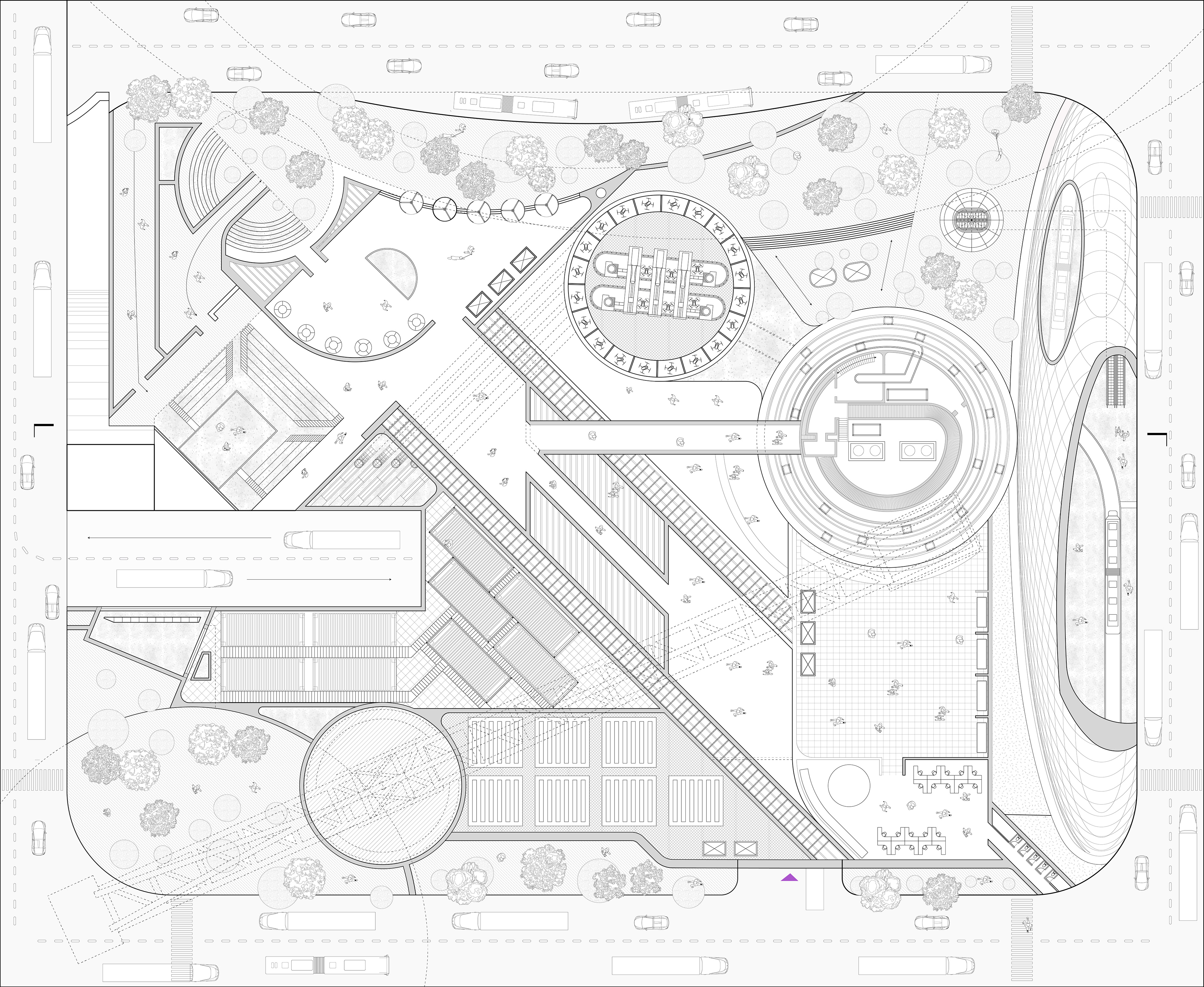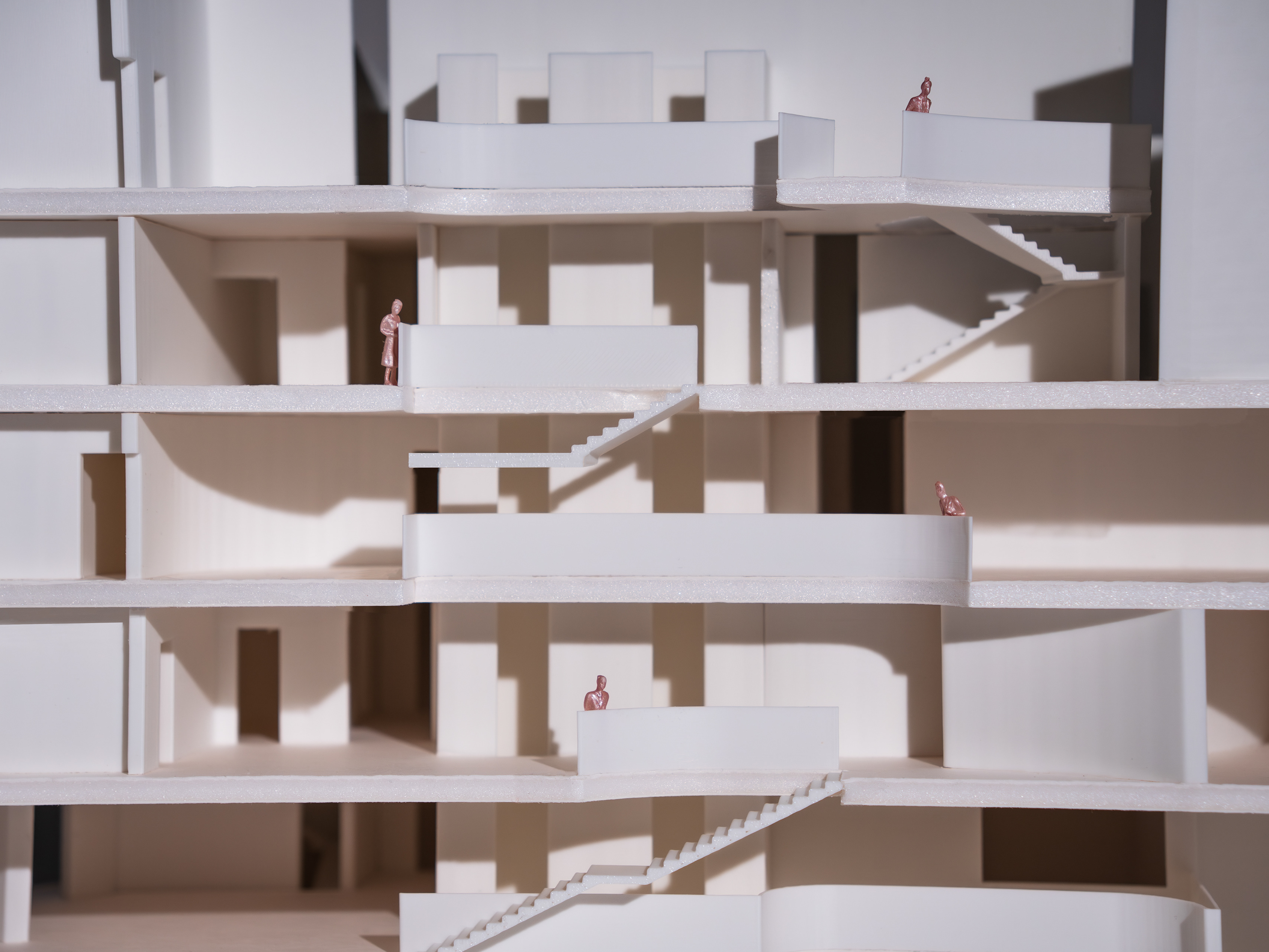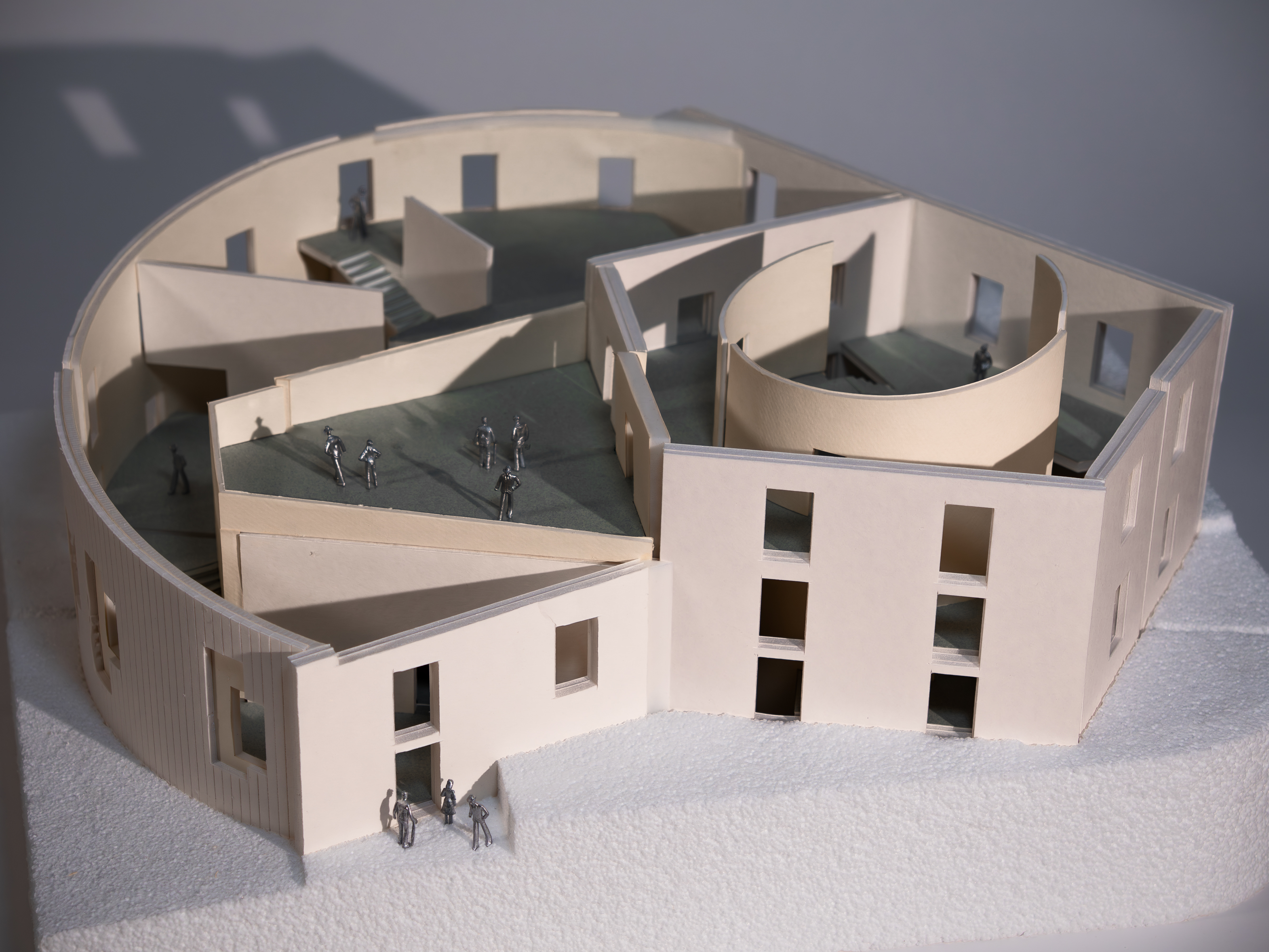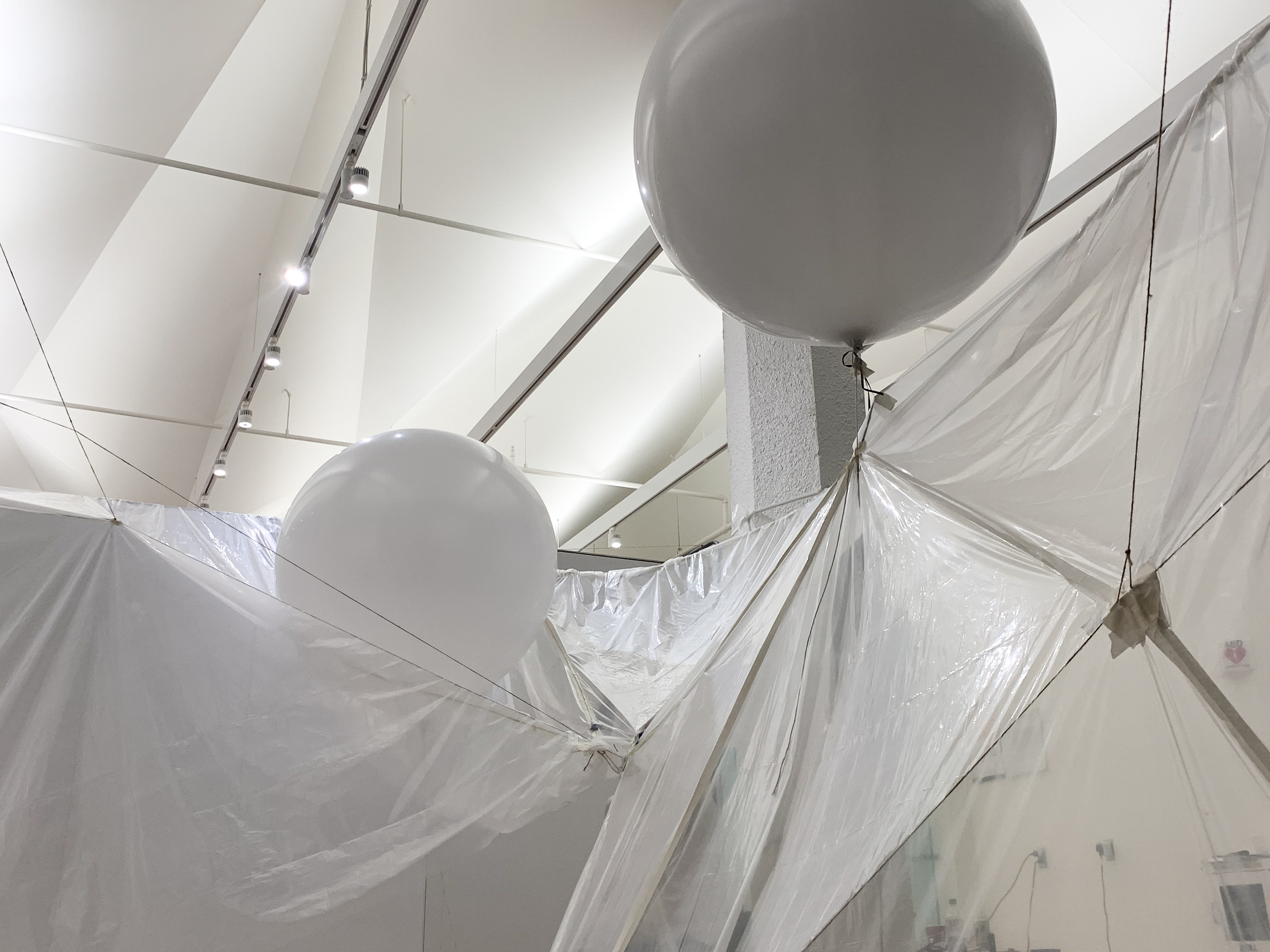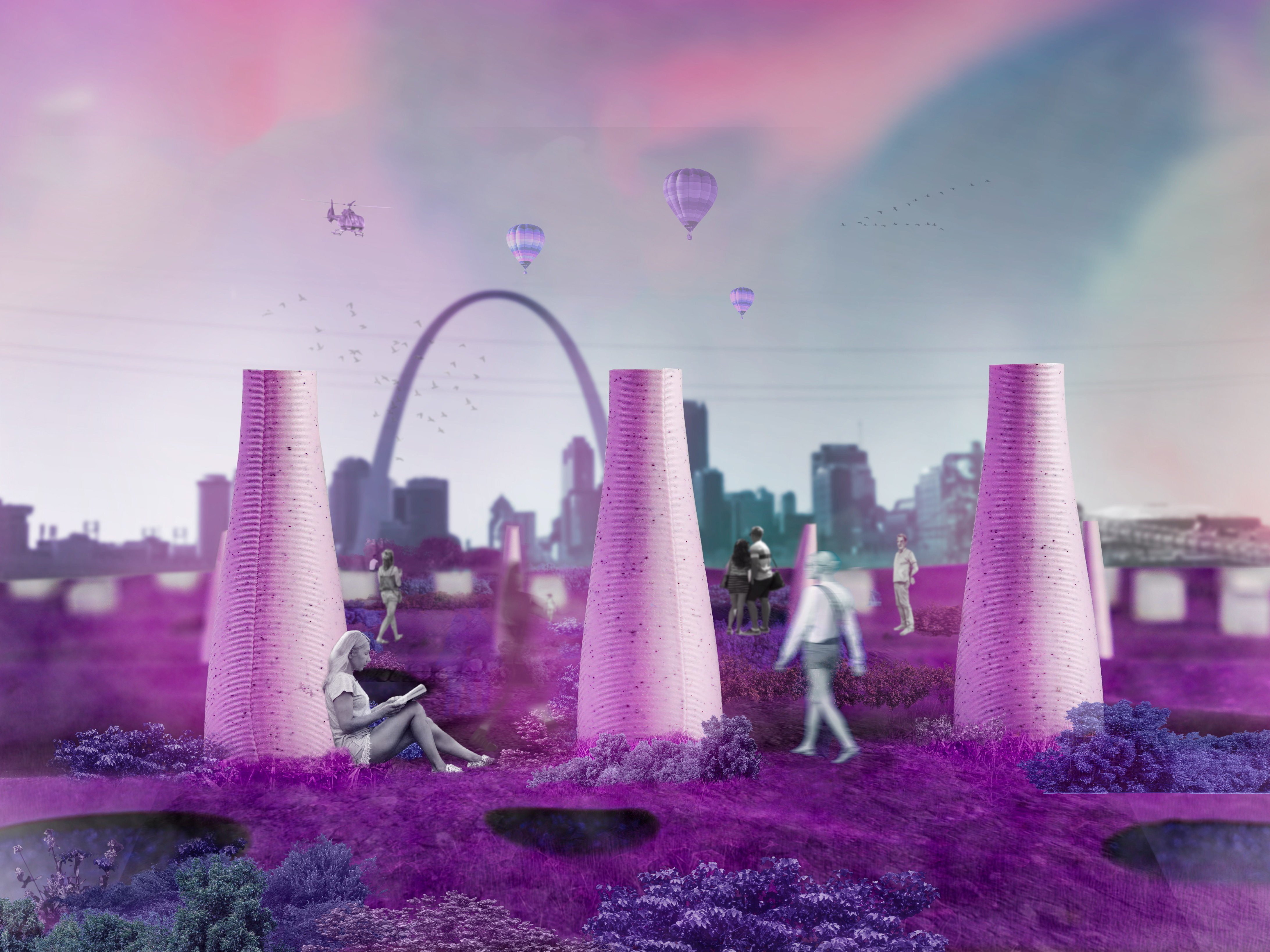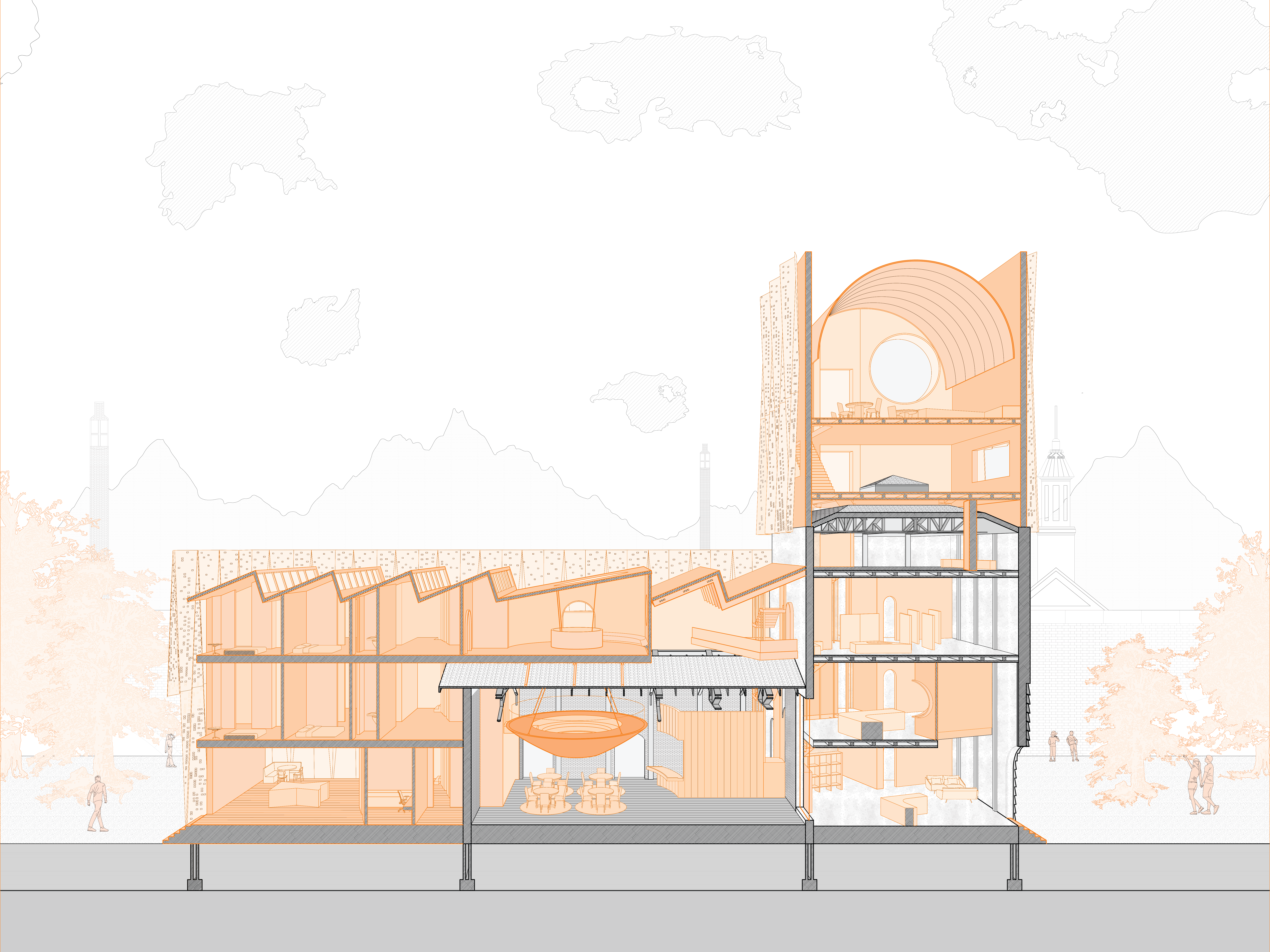
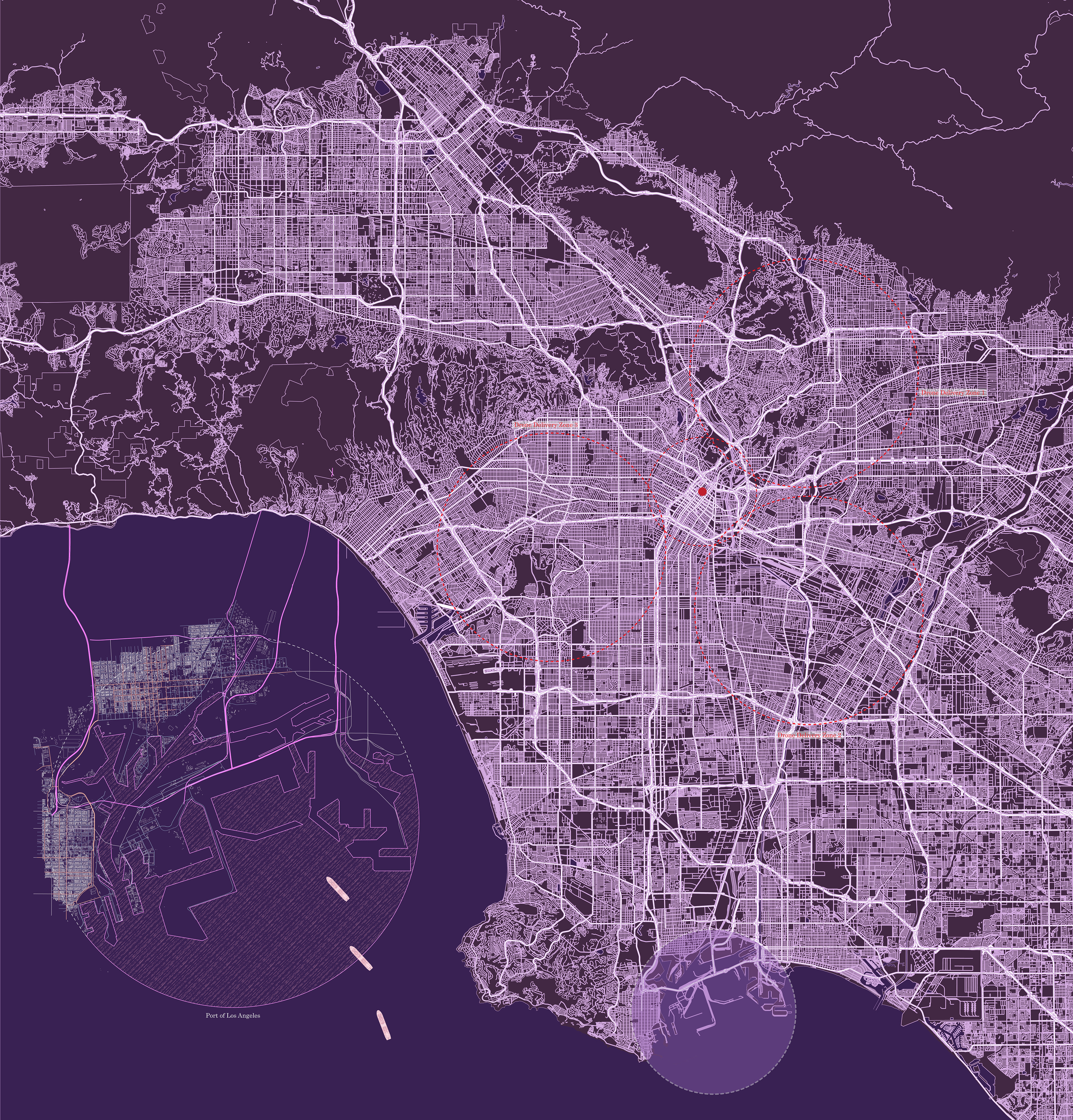
We are at a critical juncture; with autonomous vehicles, drone fleets, and algorithmic logistics already interwoven into our lived realities, often without our conscious awareness. These technologies aren’t arriving - they’ve arrived - nested not only in the skyline but in our psychological architectures of what the future should look like. My project is grounded in the typology of shipping; not simply as infrastructure, but as a condition - one that is rapidly evolving through automation, and whose logistical choreography increasingly operates beneath the surface of daily perception. Drawing from Kenzo Tange’s visionary metabolist thinking, particularly his attempt to articulate flexible infrastructure in anticipation of mass motorisation, I see a lineage in how my transportation hub can become a contemporary scaffold for an urban collective: modular, multi-scalar, and highly adaptive.

While not commonly known, the Port of Los Angeles is the largest "container mover" in the U.S. In fact, California’s ports overall (including LA/Long Beach) handle roughly 40 % of all U.S. containerized imports and 30 % of exports. L.A specifically has built incredibly vast infrastructural networks to accommodate this. 
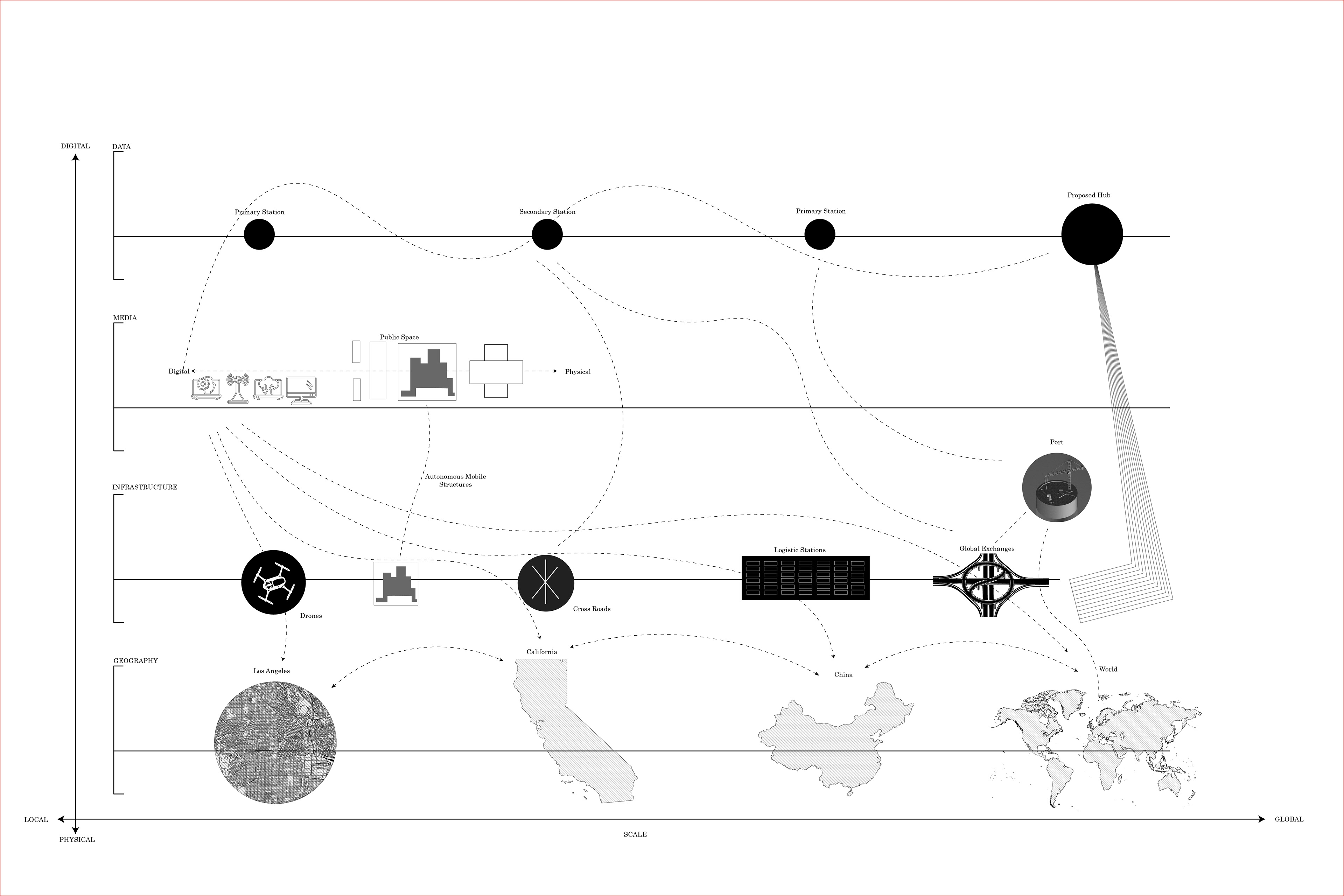
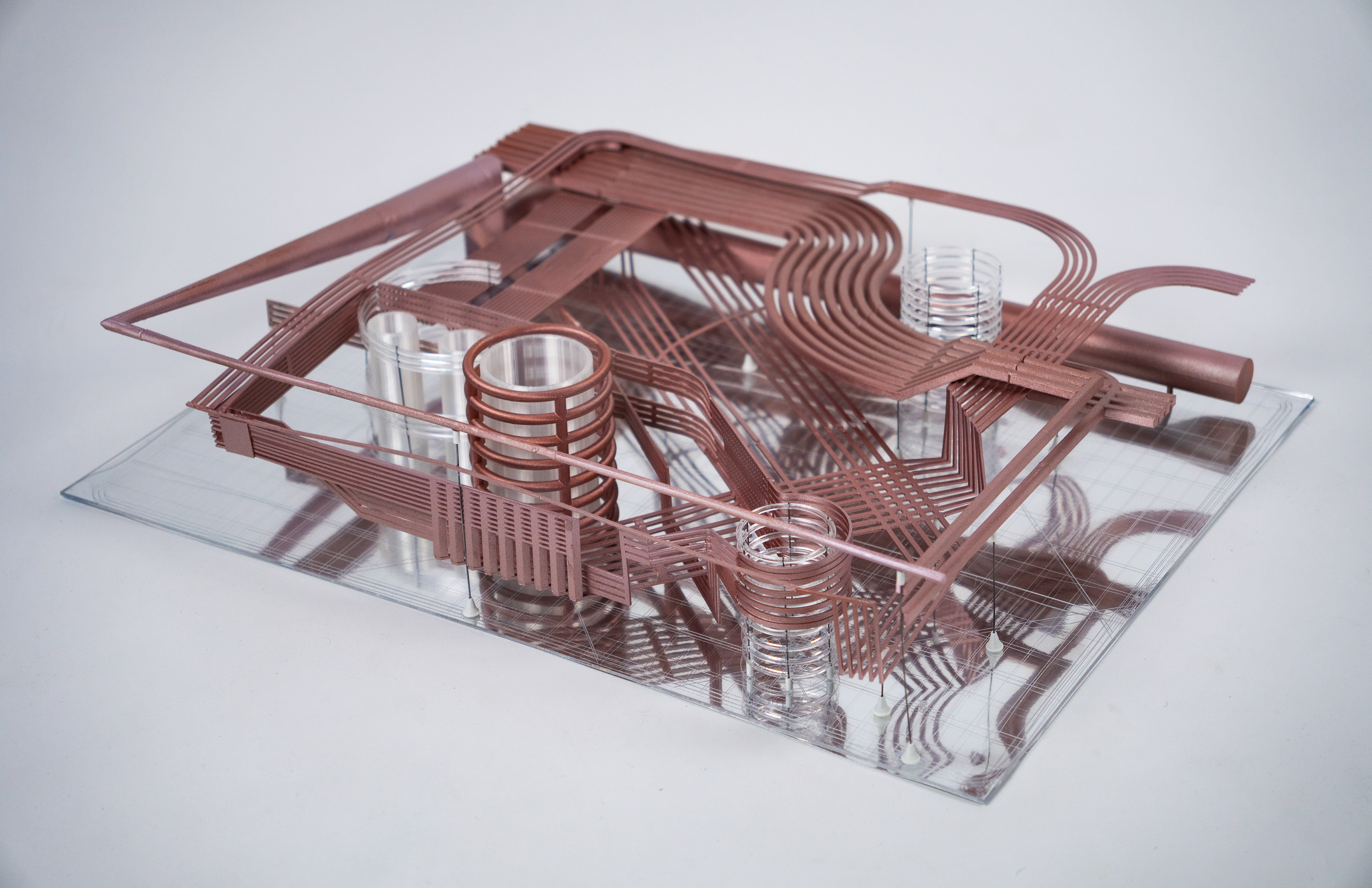
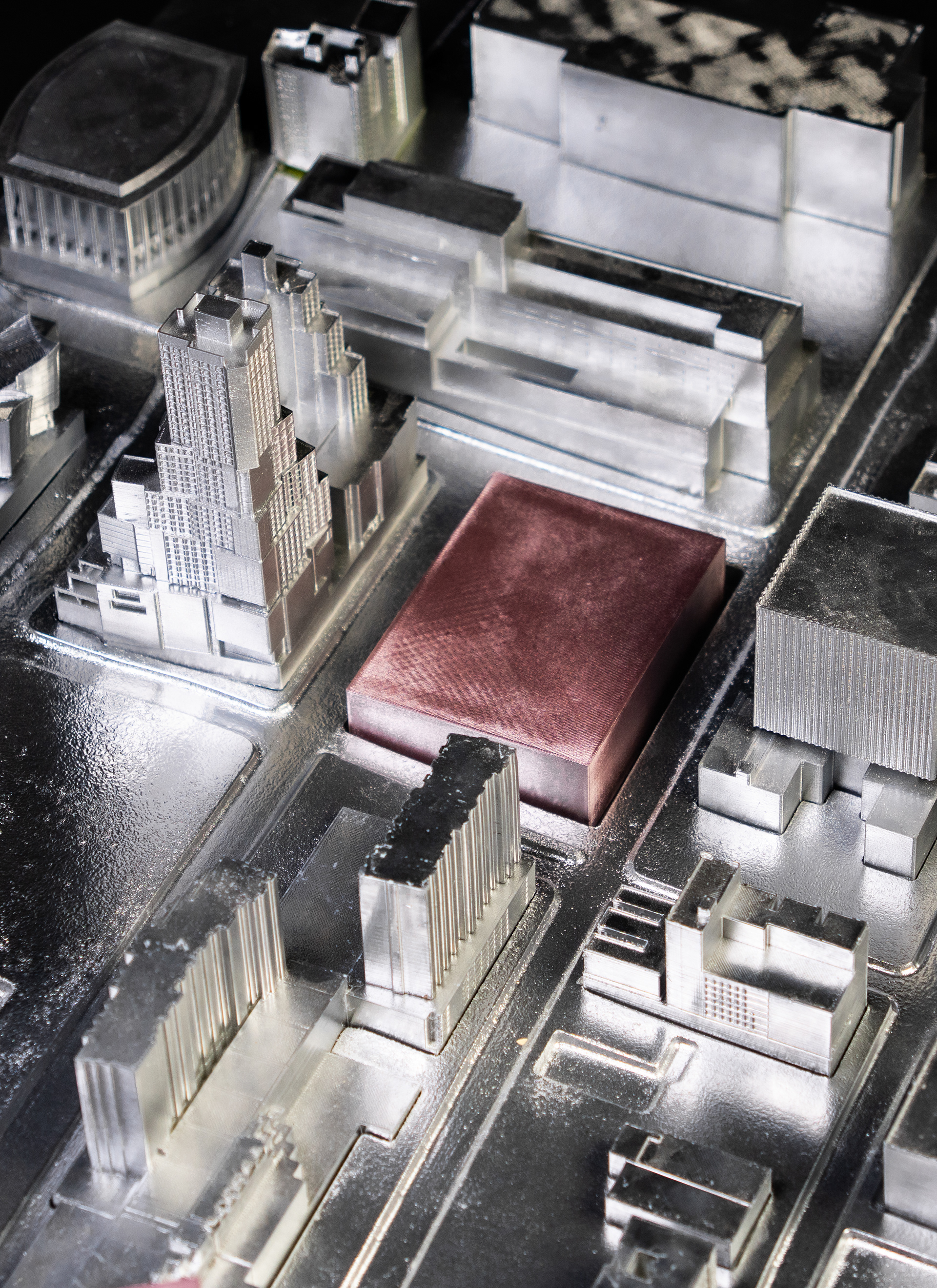
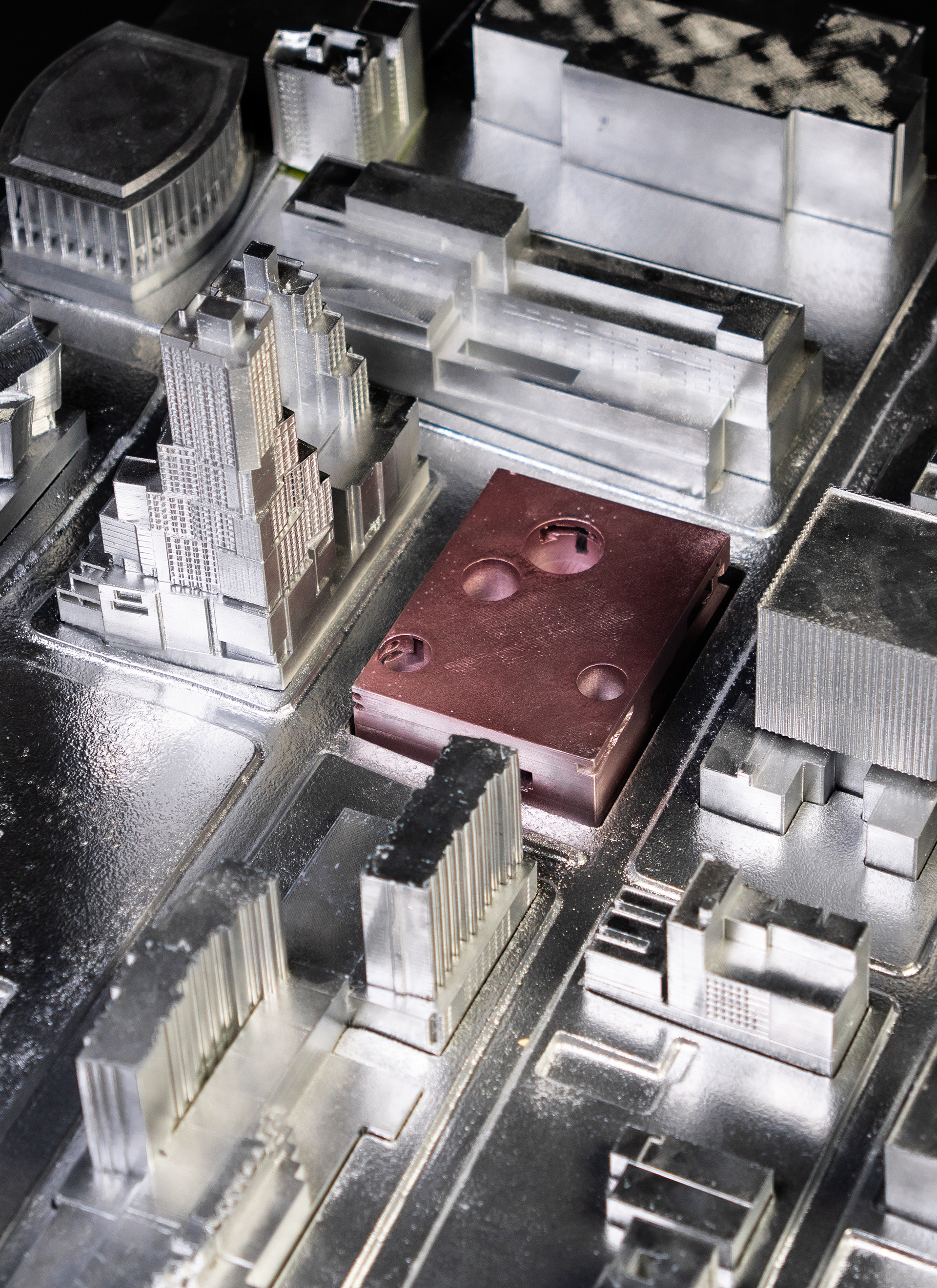
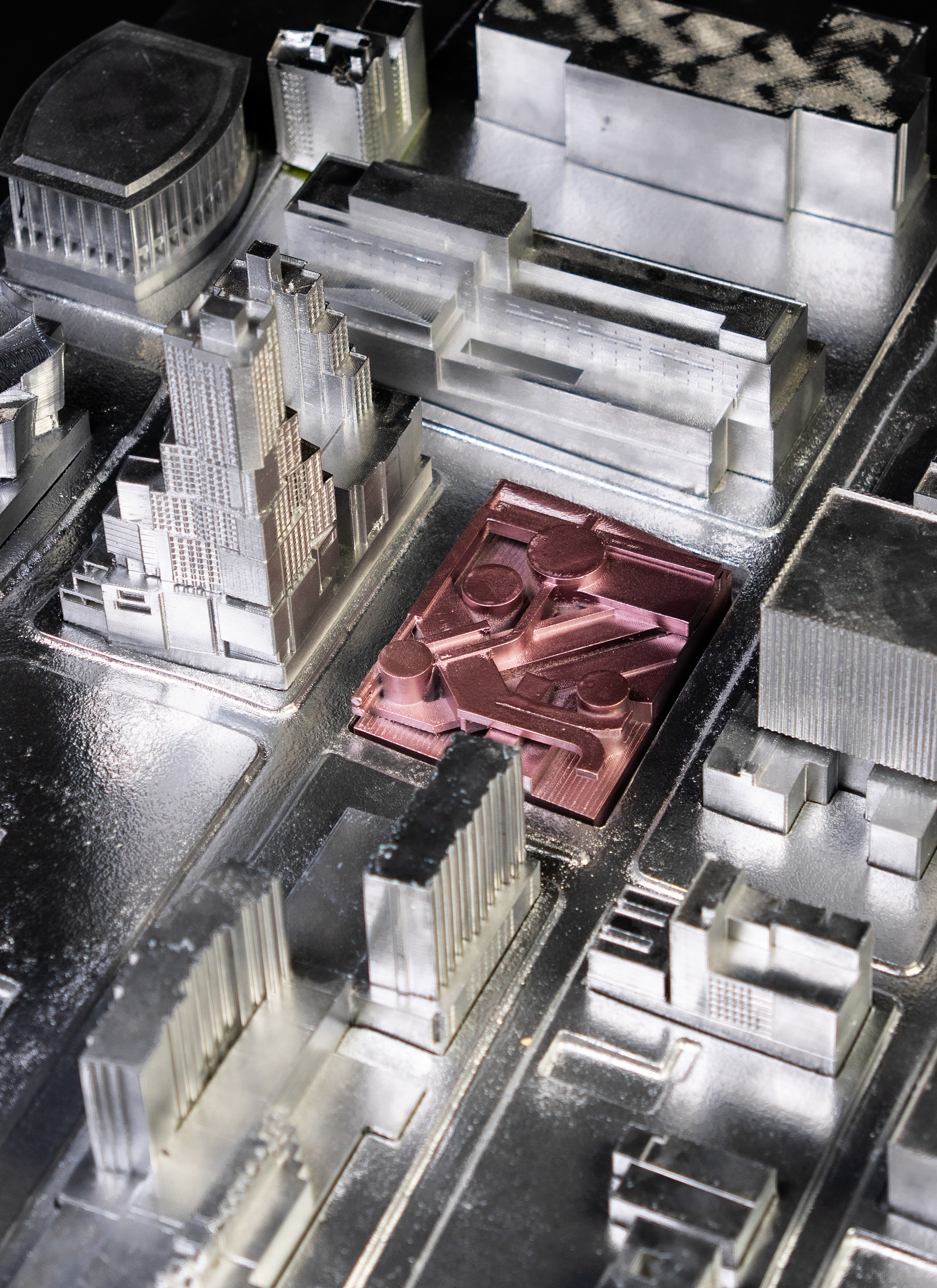
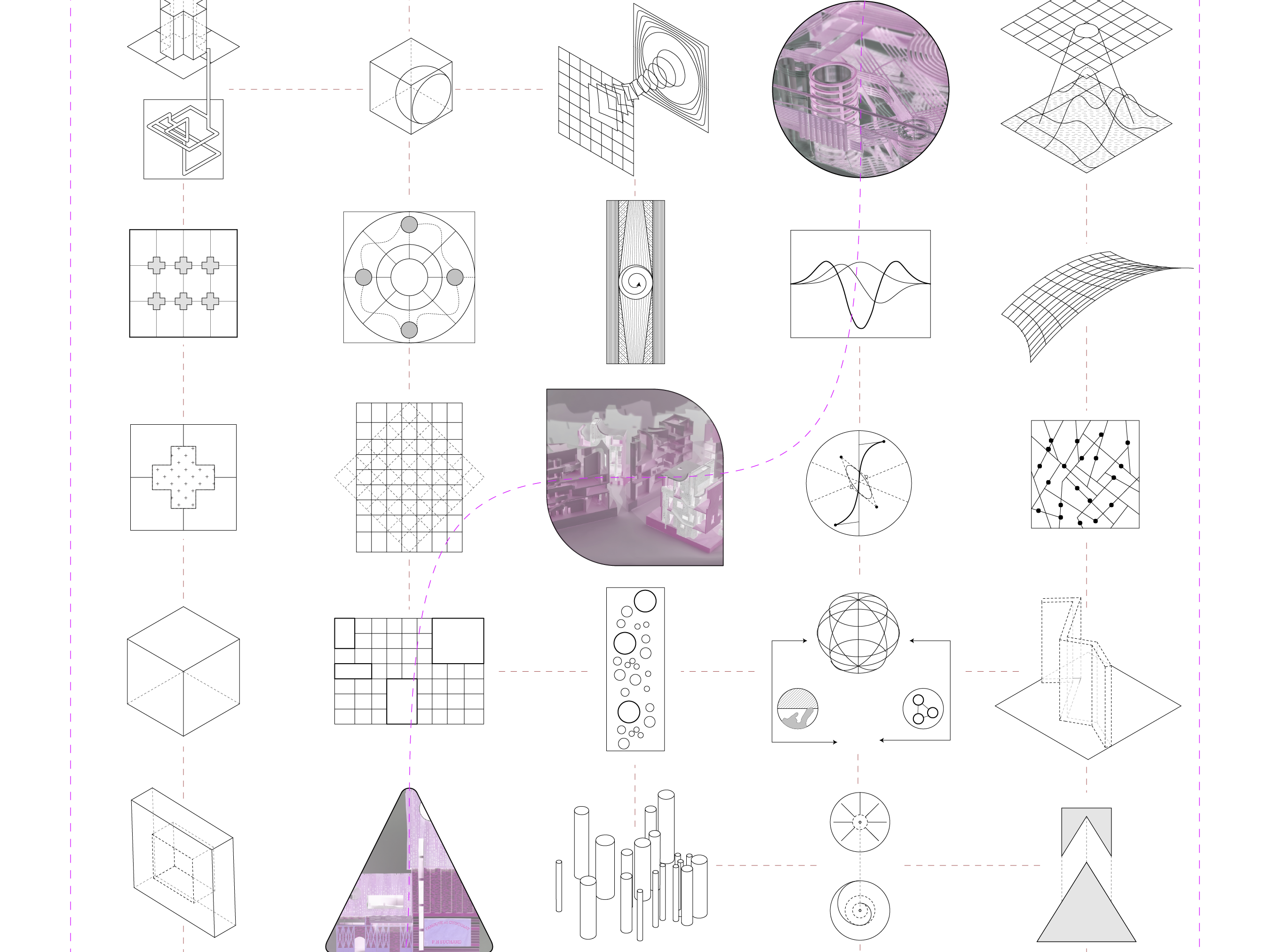
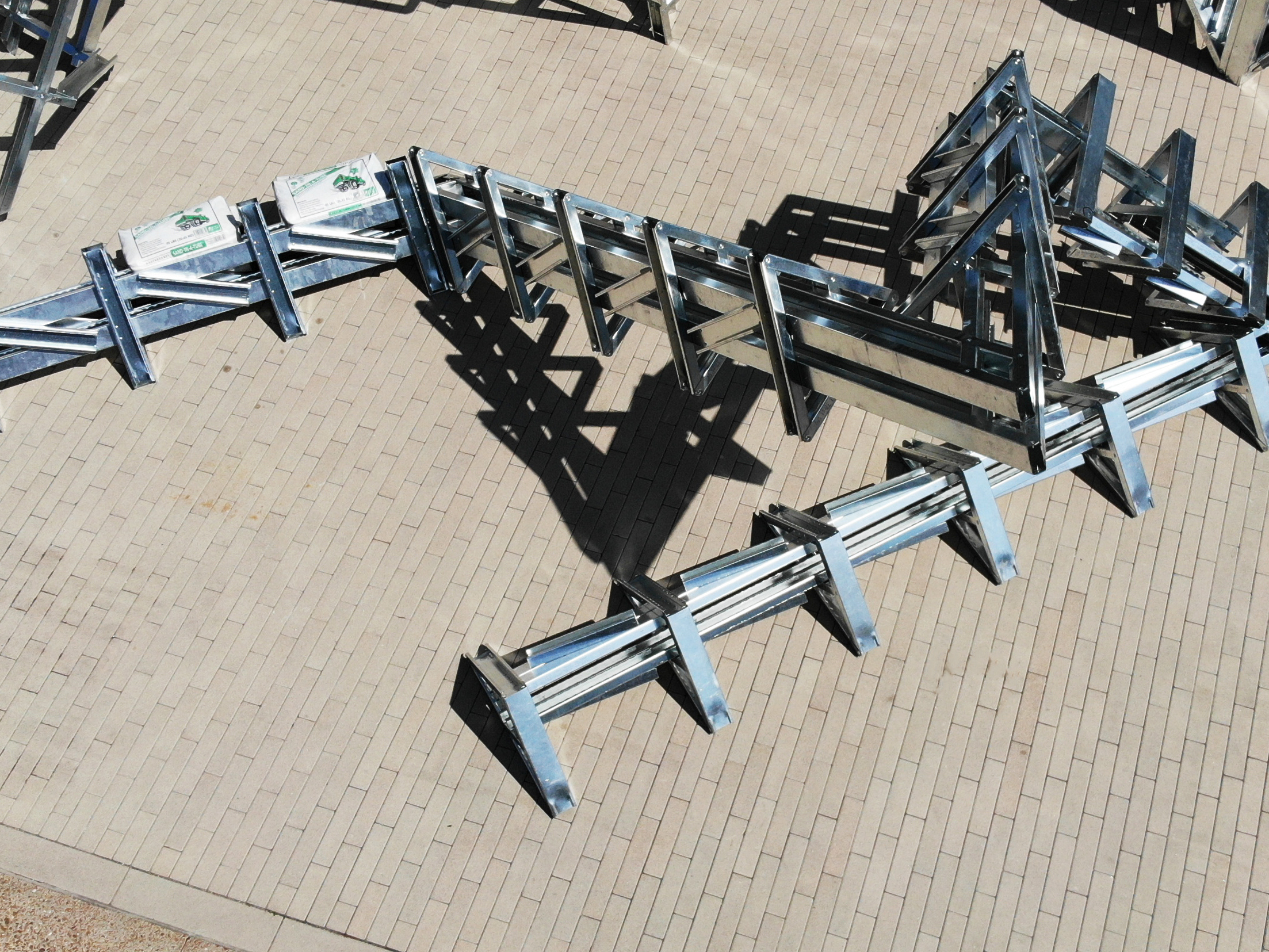
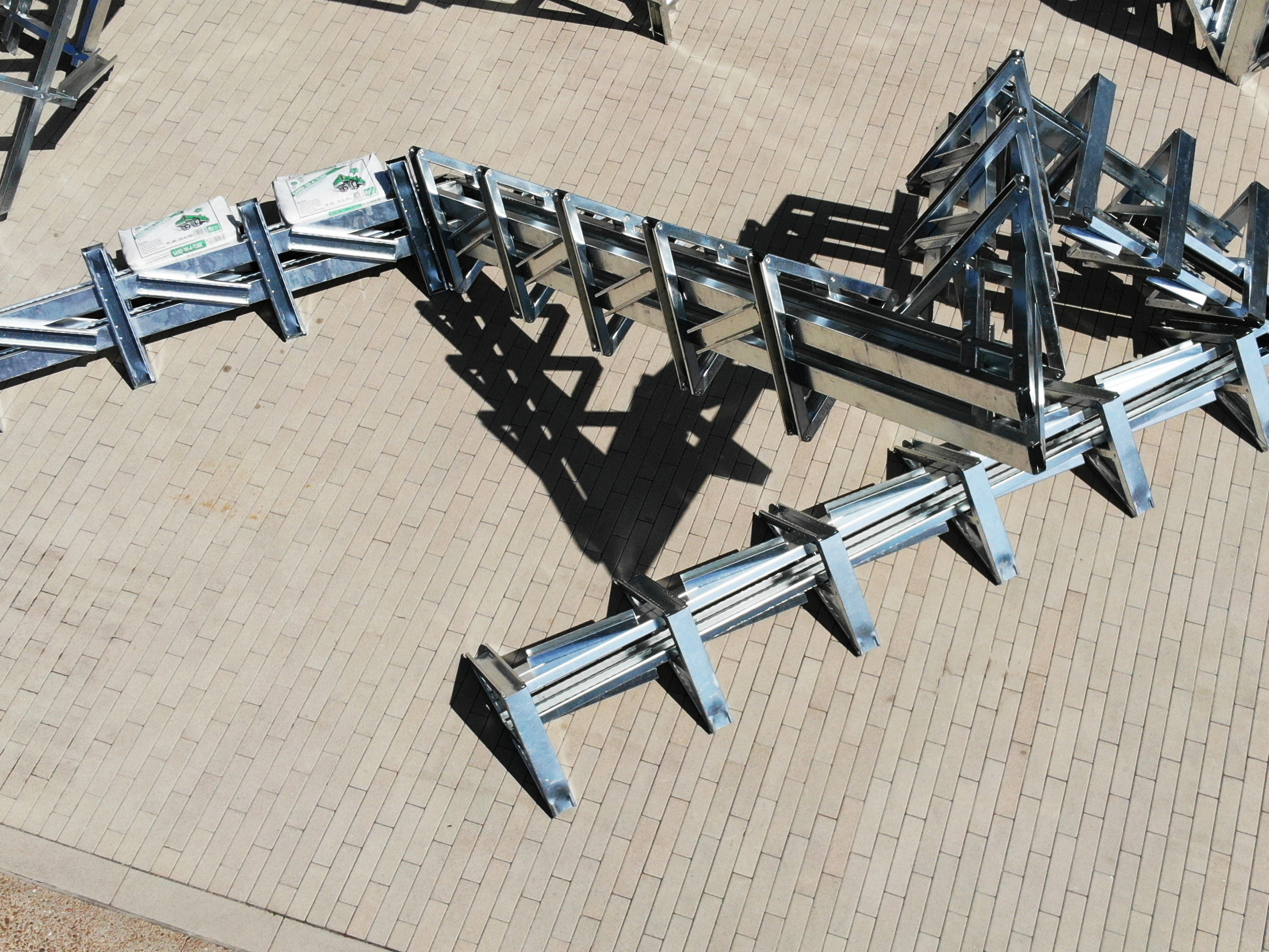
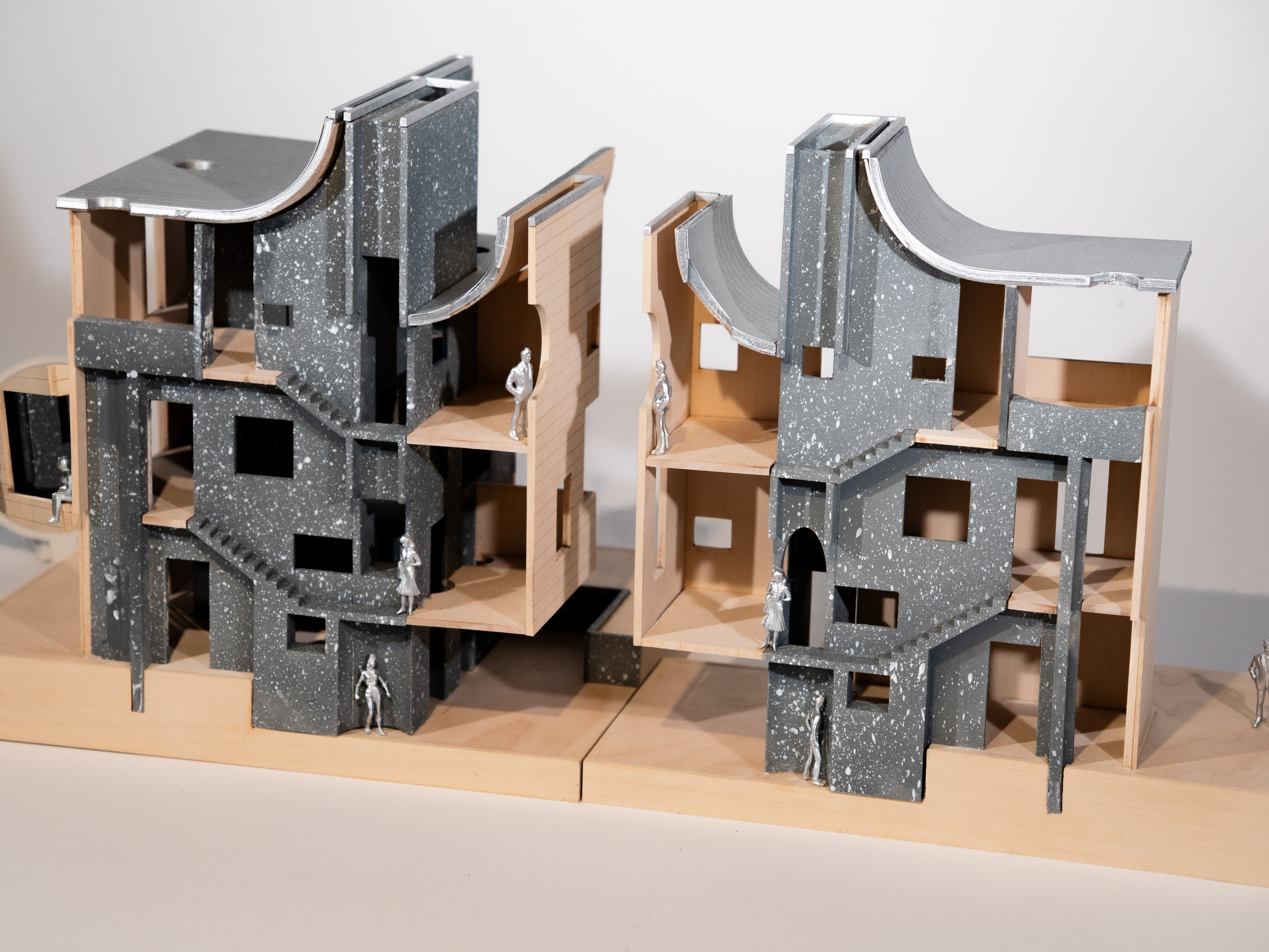
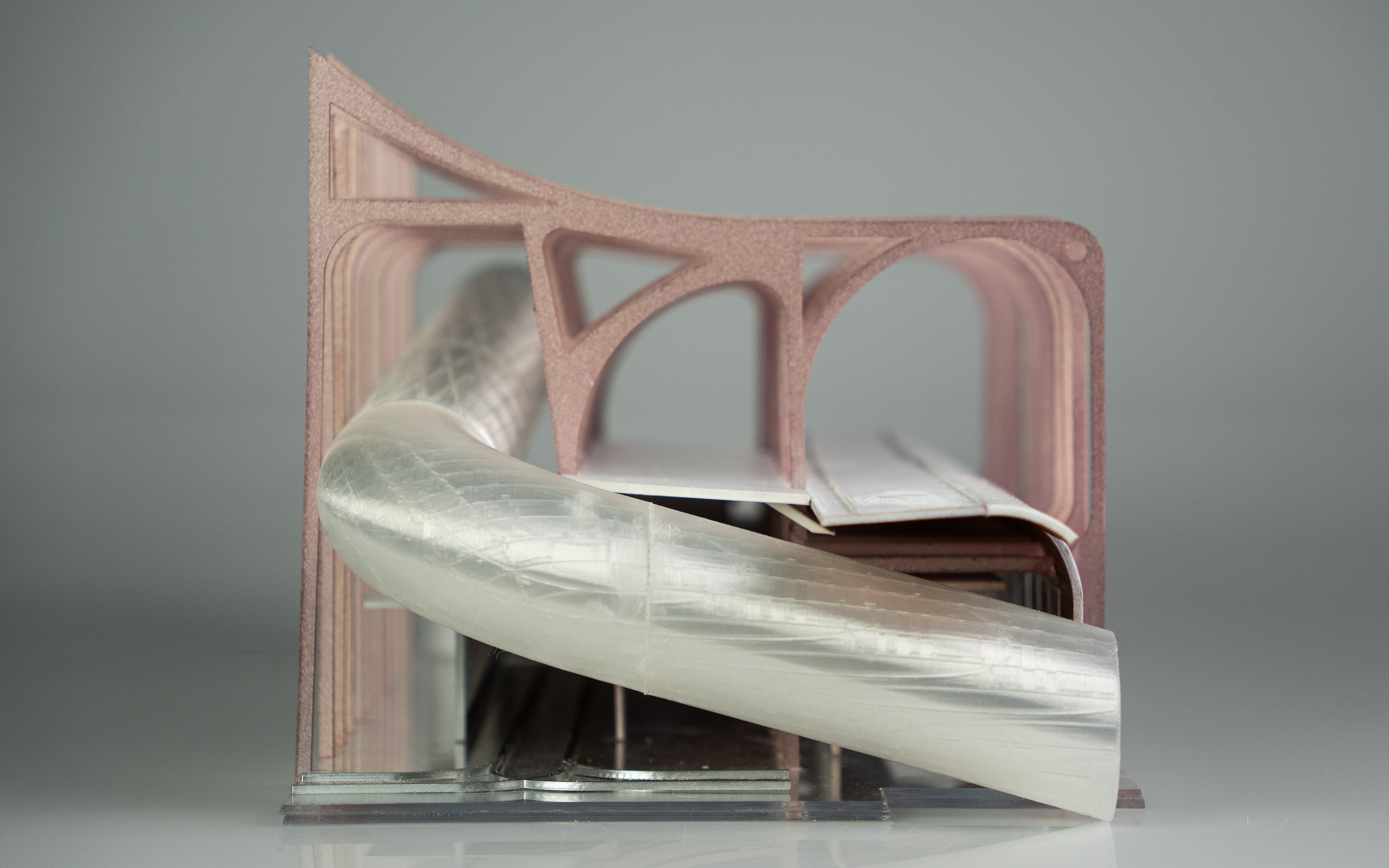
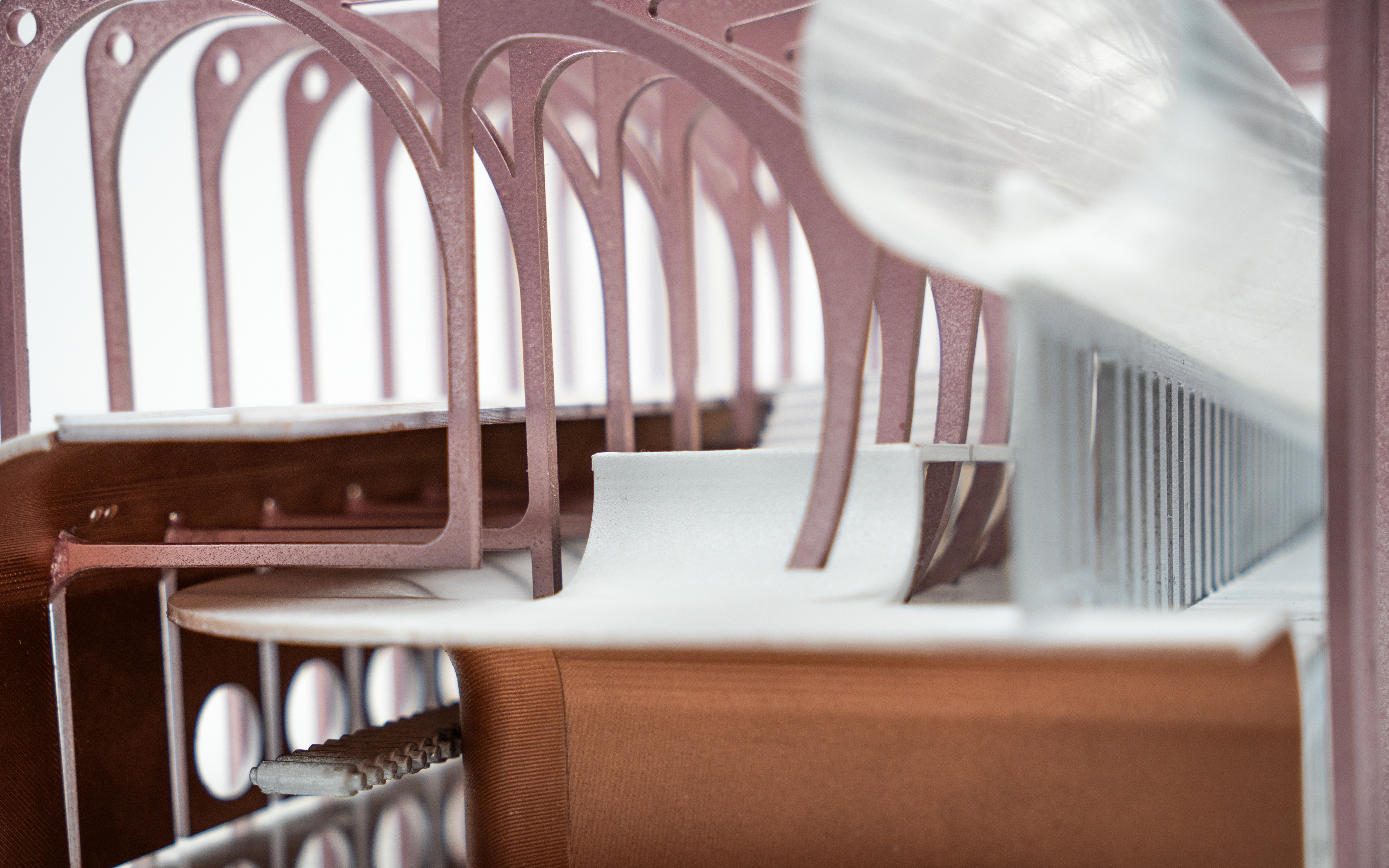
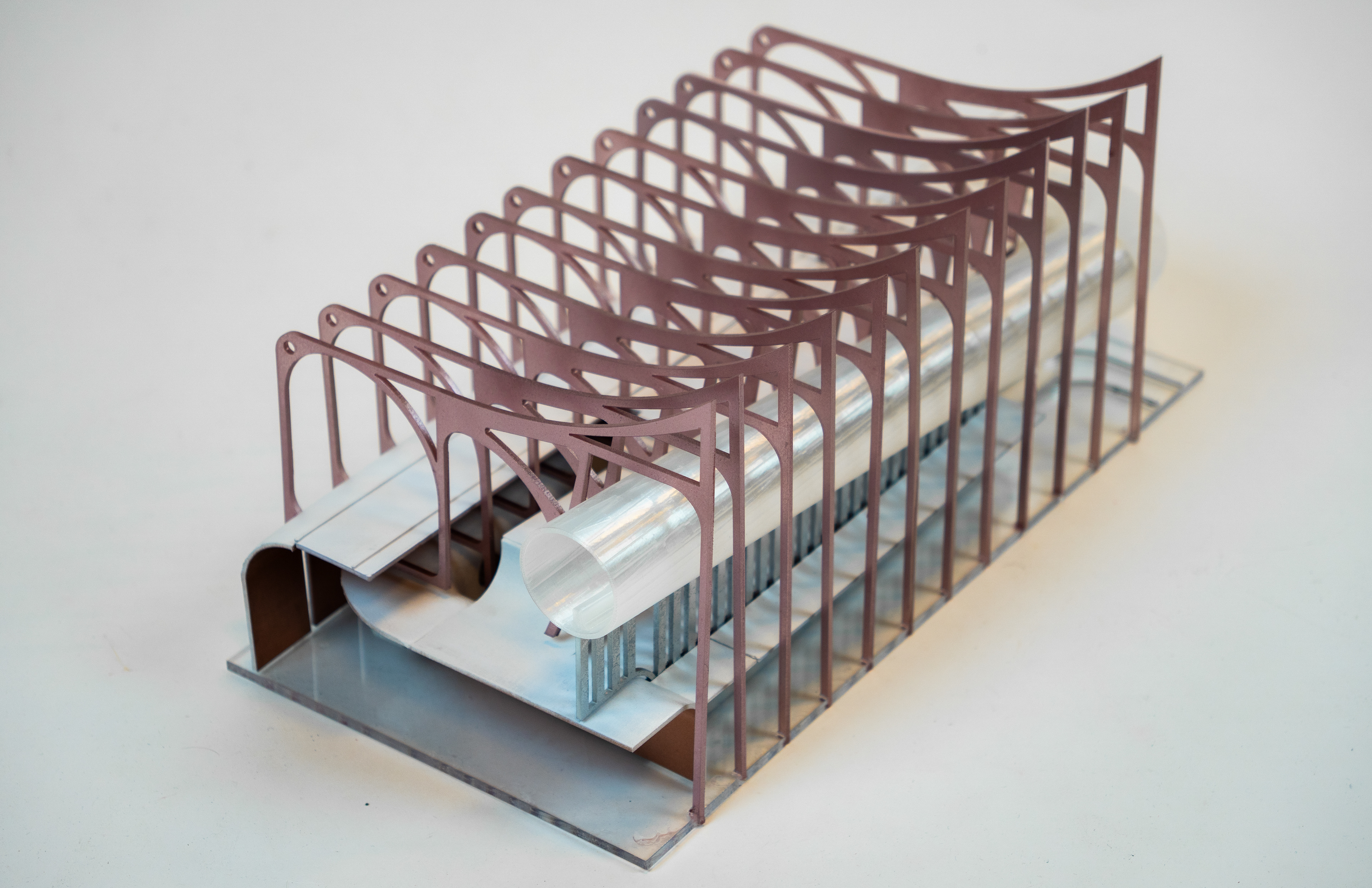
The project is initiated by a study of thresholds or portals that facilitate the interaction of multiple agents: packages, people, drones, and electric trains. The portal model also provided an opportunity to explore structural space frames and the aesthetics of production.
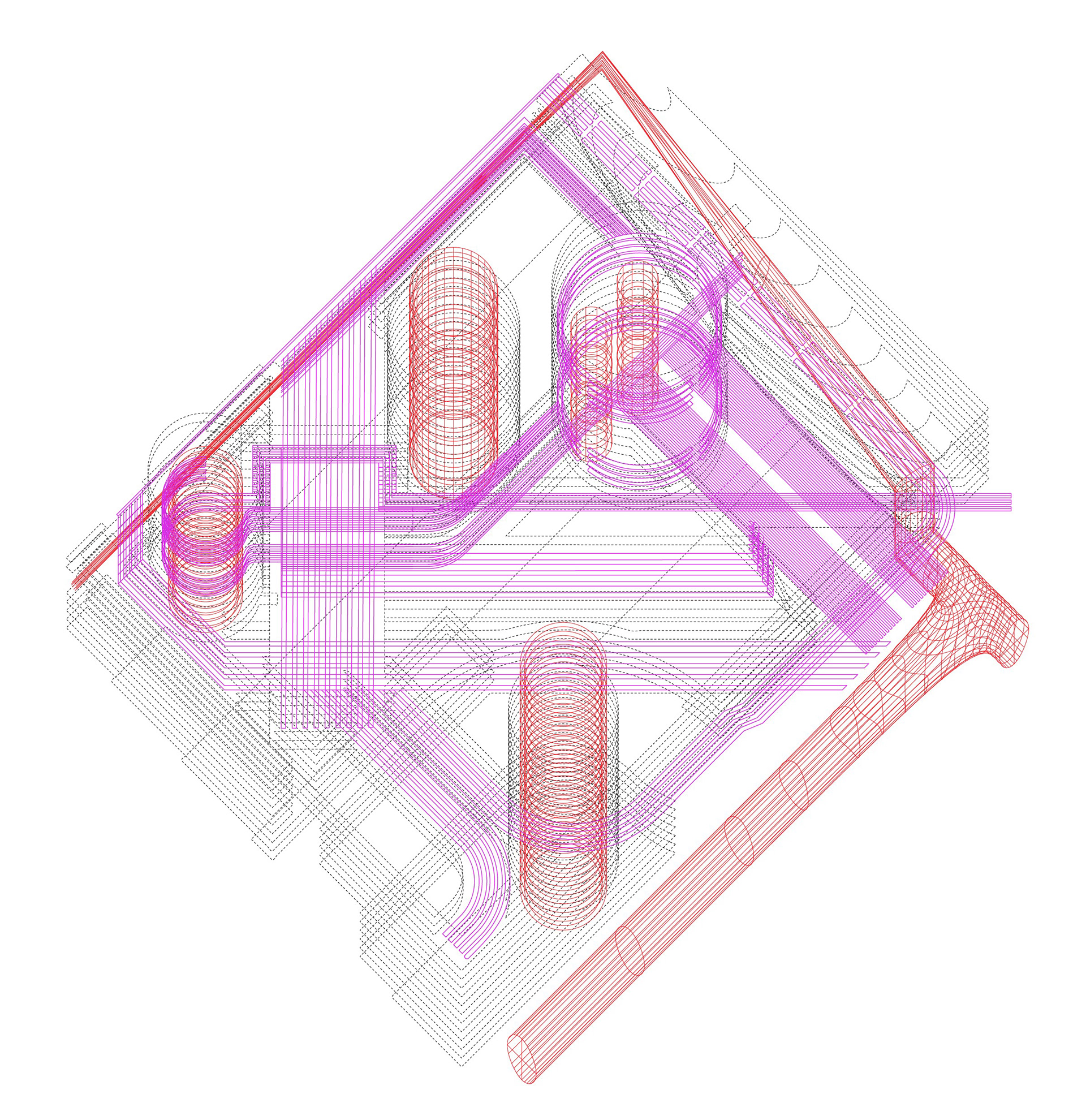
Literally tracing the movement of all actors through the site. Their materiality becomes embedded in the drawing via the mechanized act of drawing. 
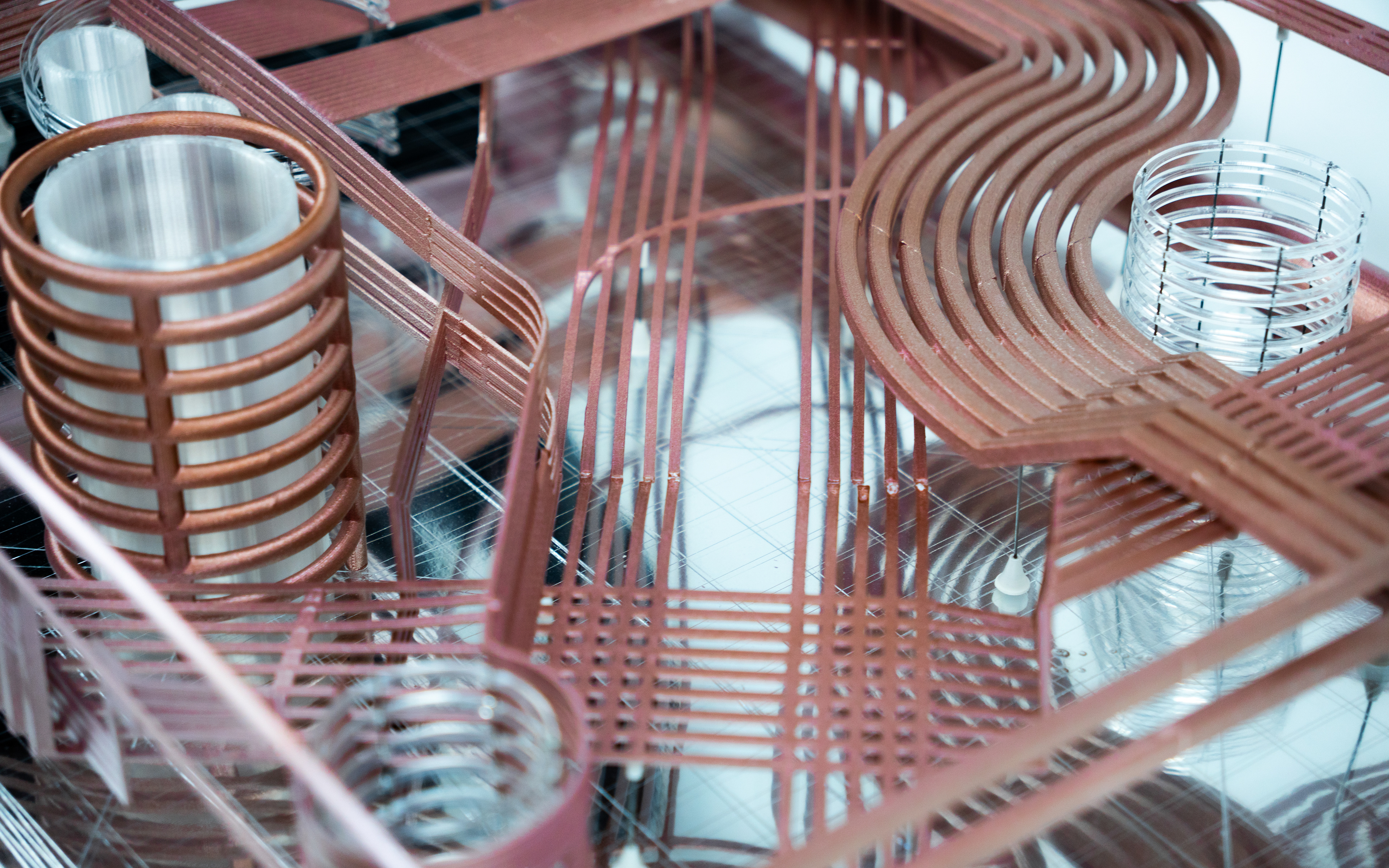
The circulation or trajectory model spatializes all flows through the site, grouping them by density and speed. By tracing autonomous trucks, drones, goods, packages, people, and trains, a deep, sectional reading of the site emerges, prompting the need for an architecture that hybridizes these qualities. 
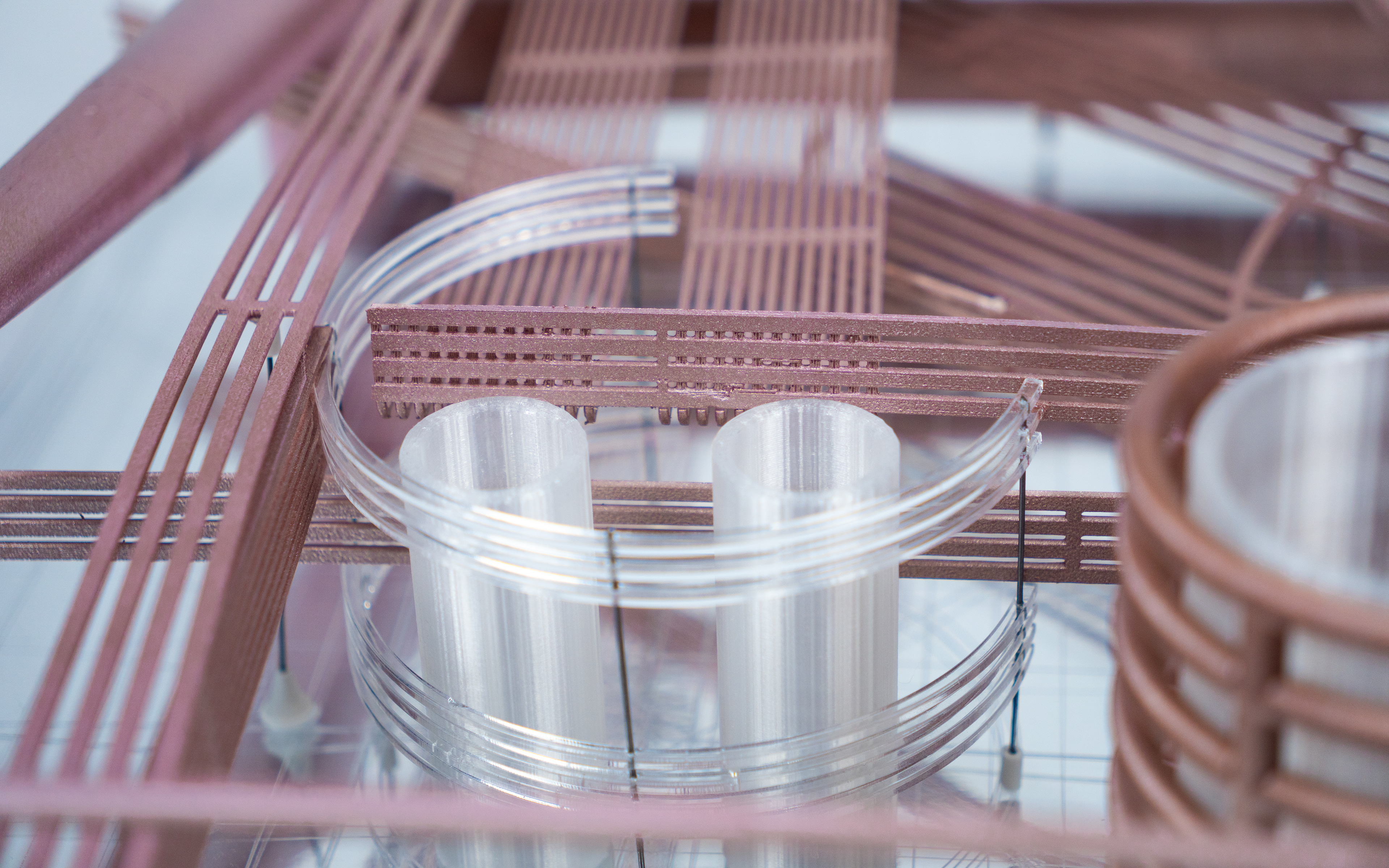
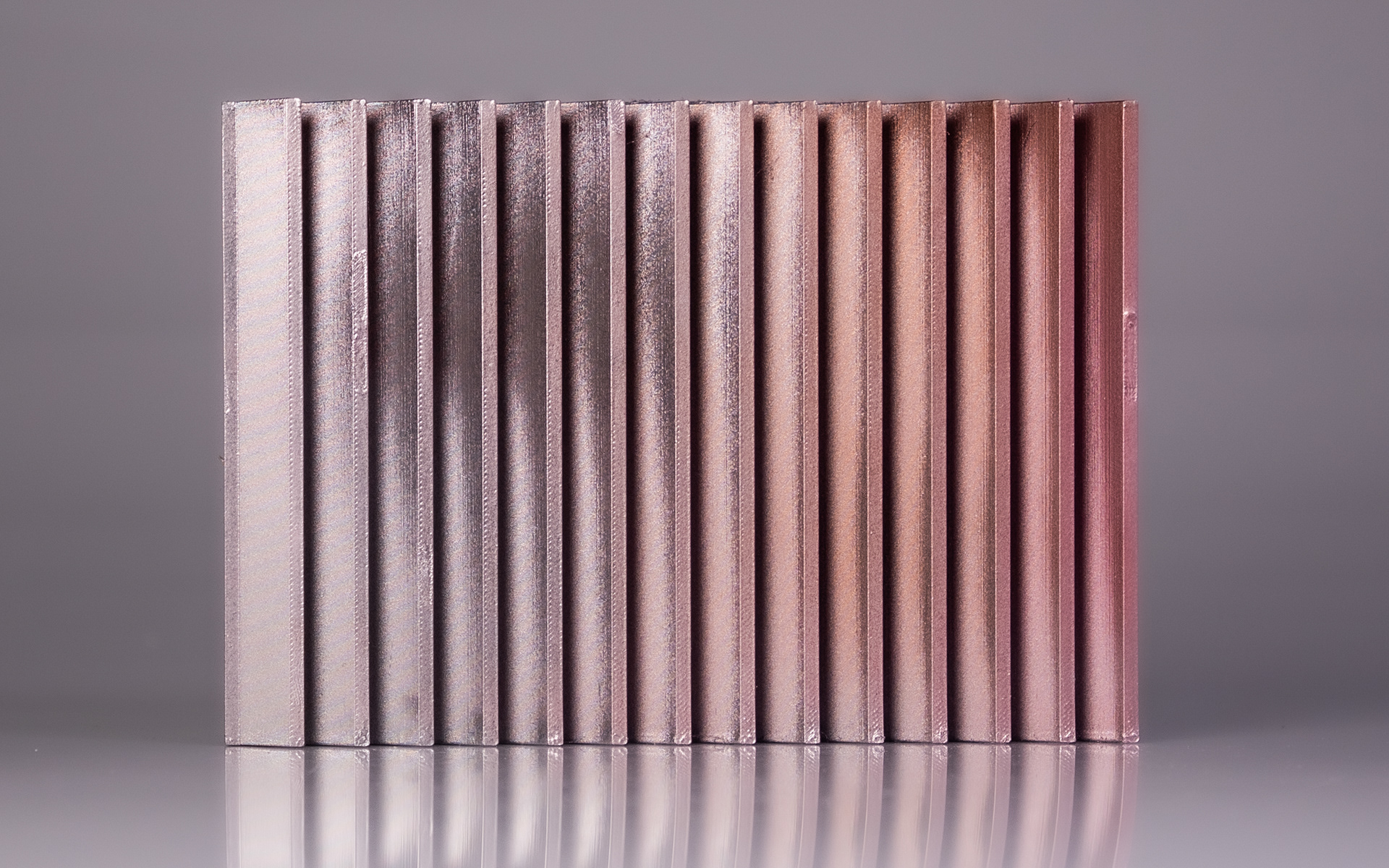
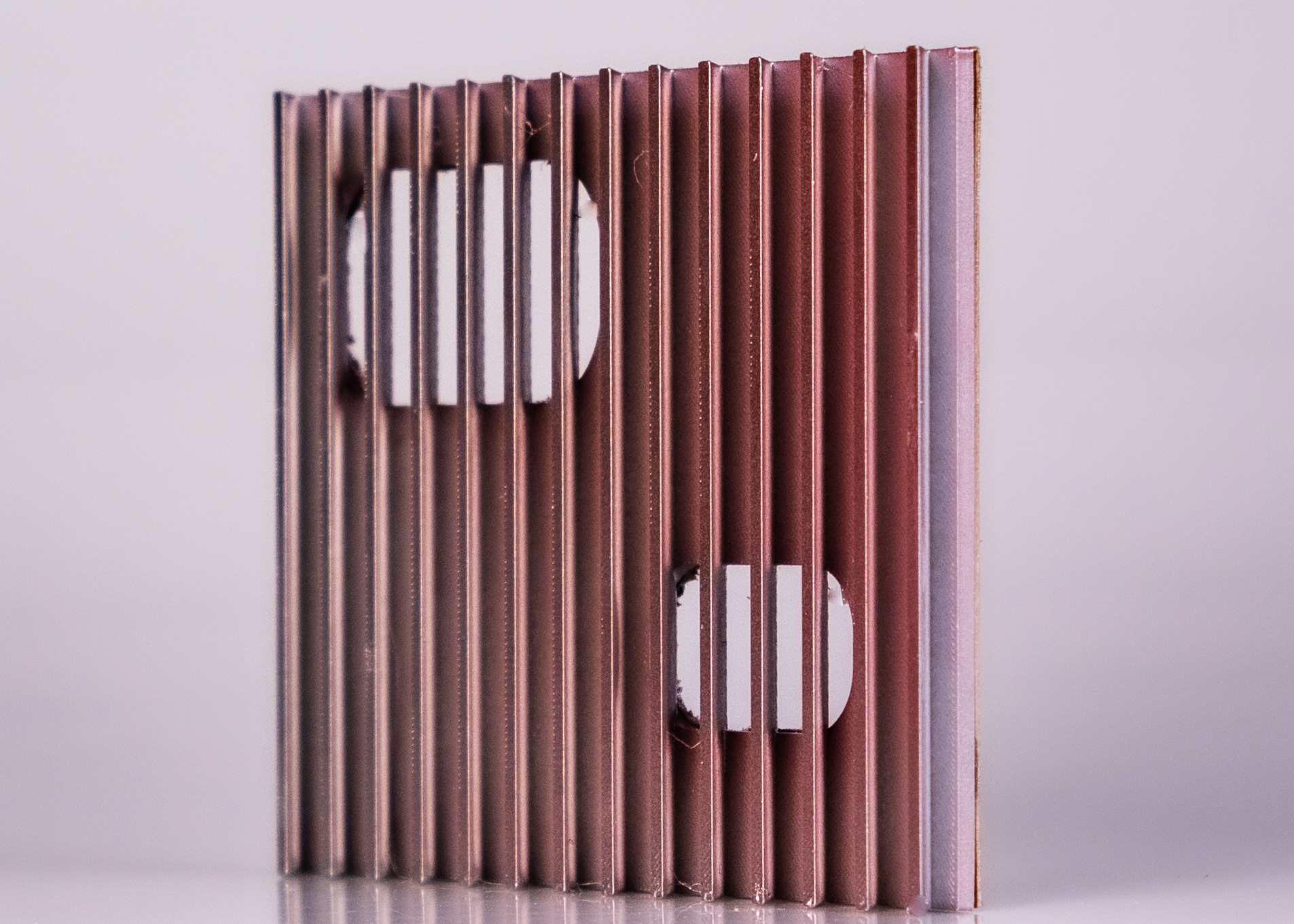
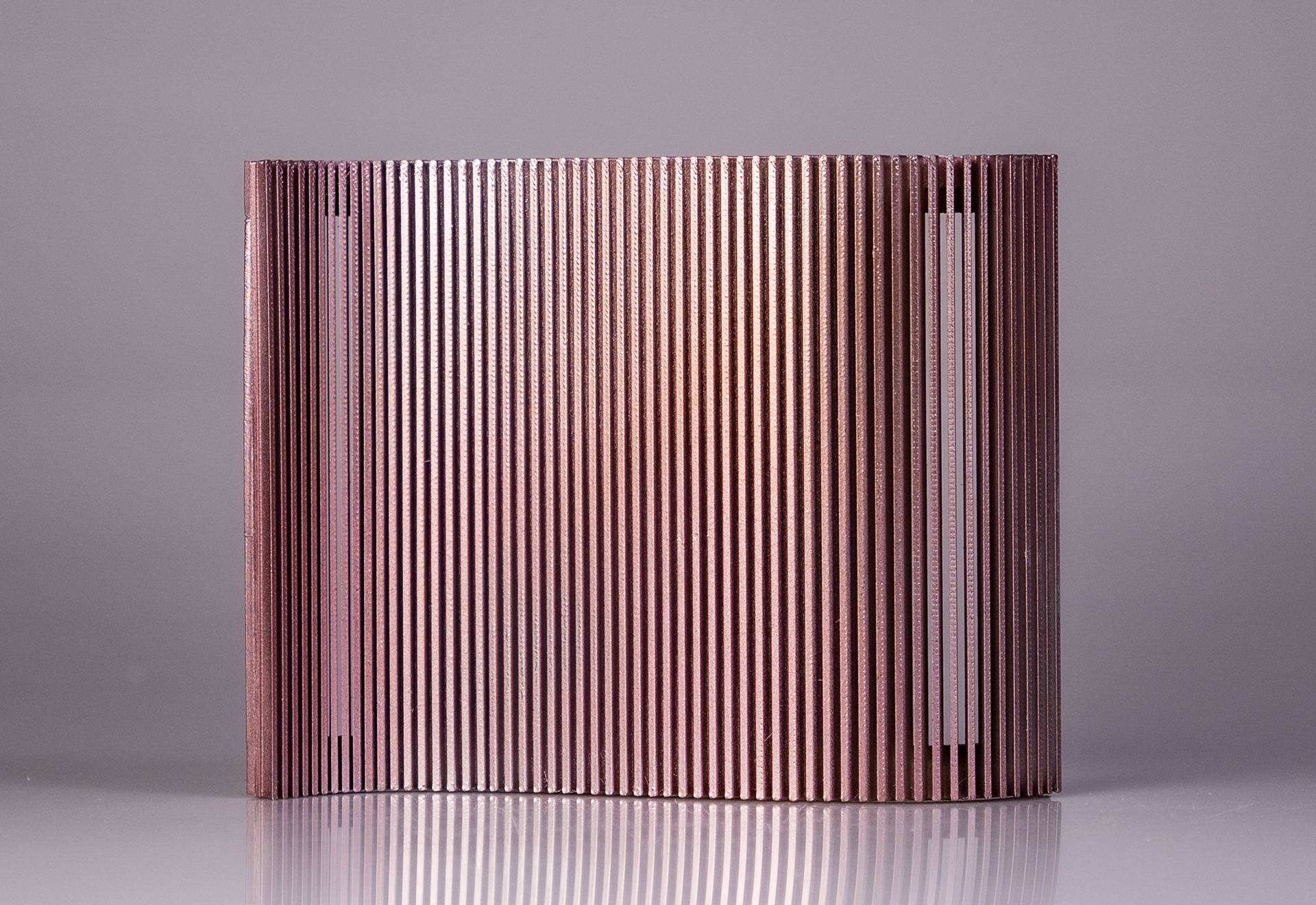
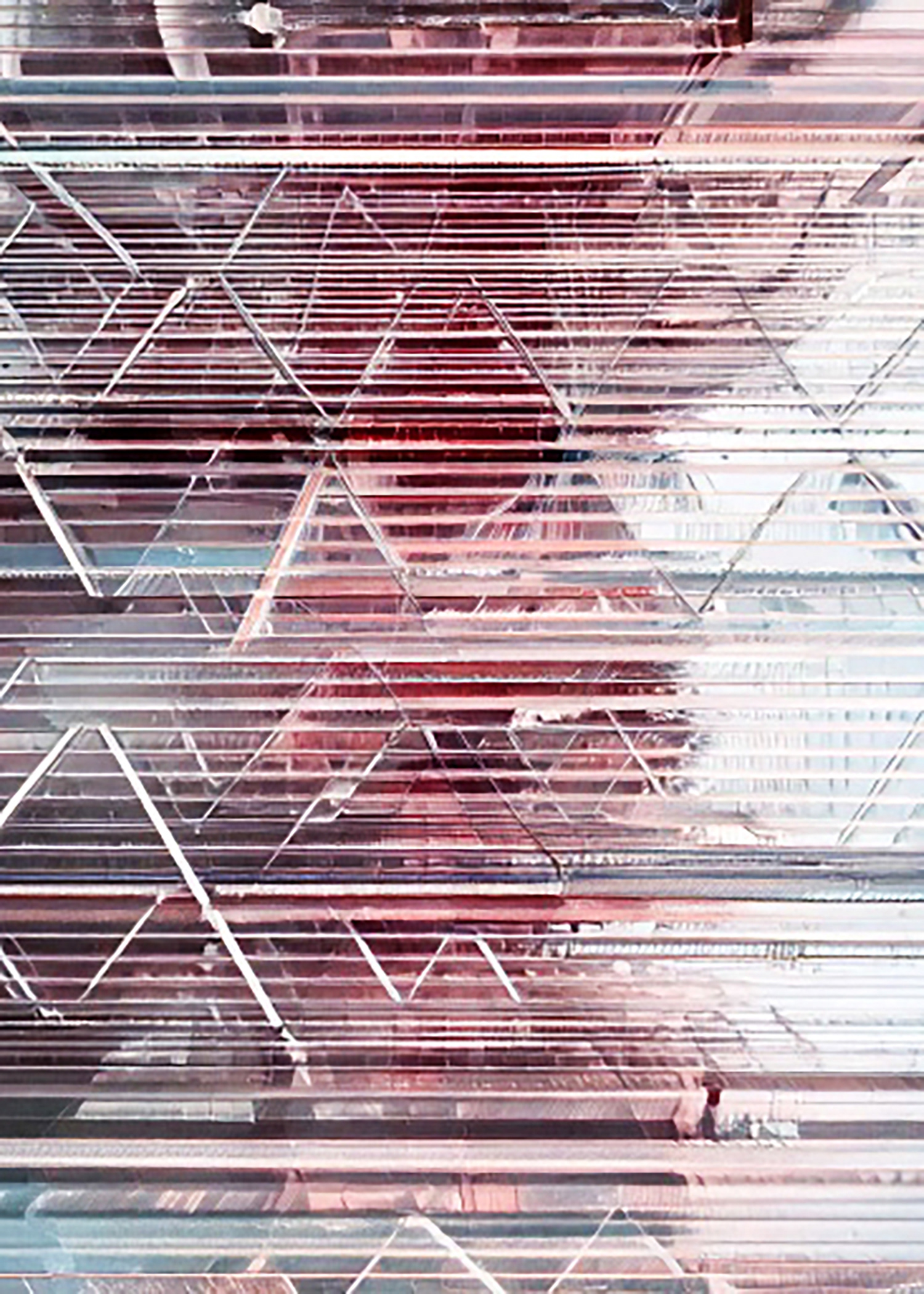
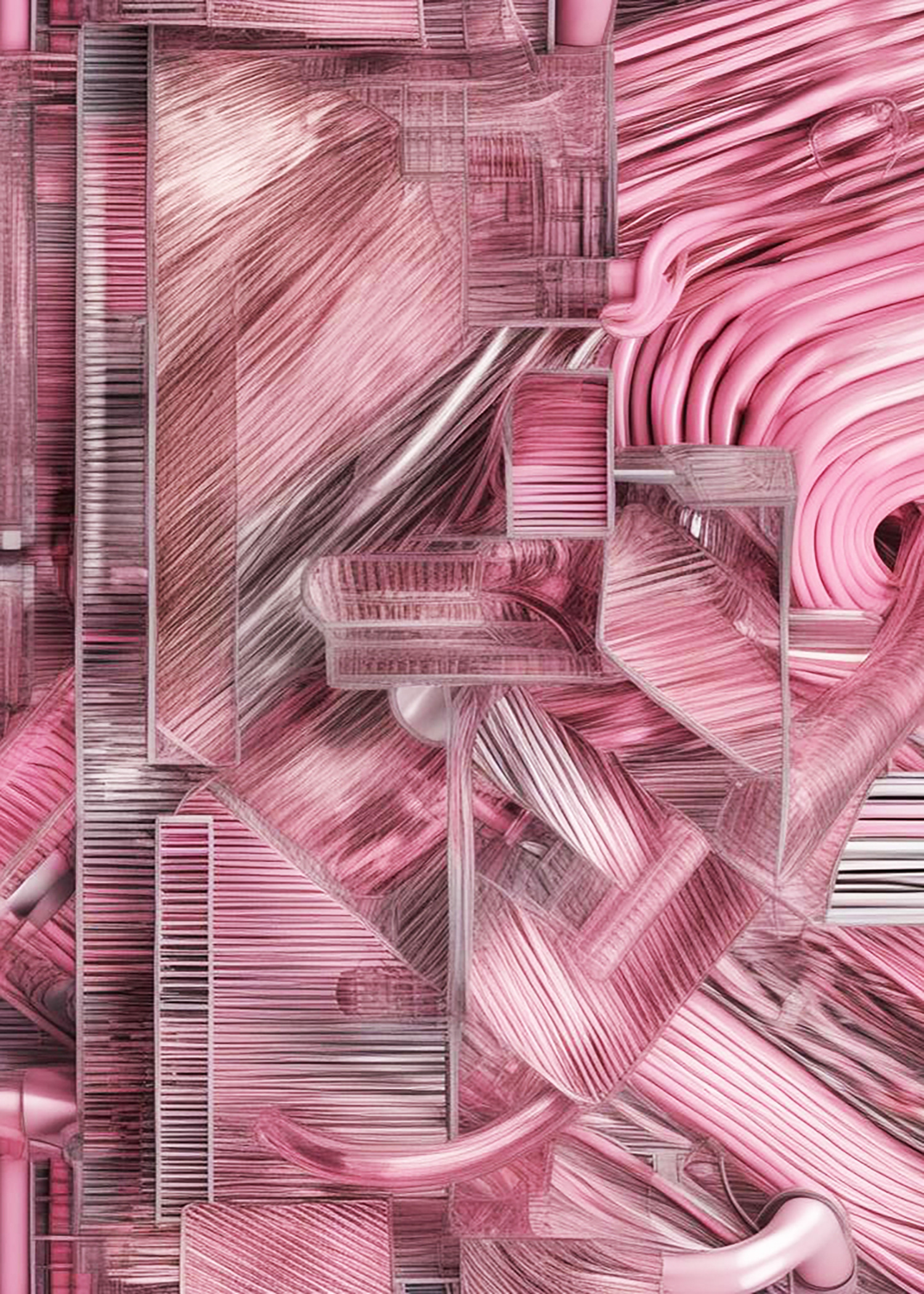
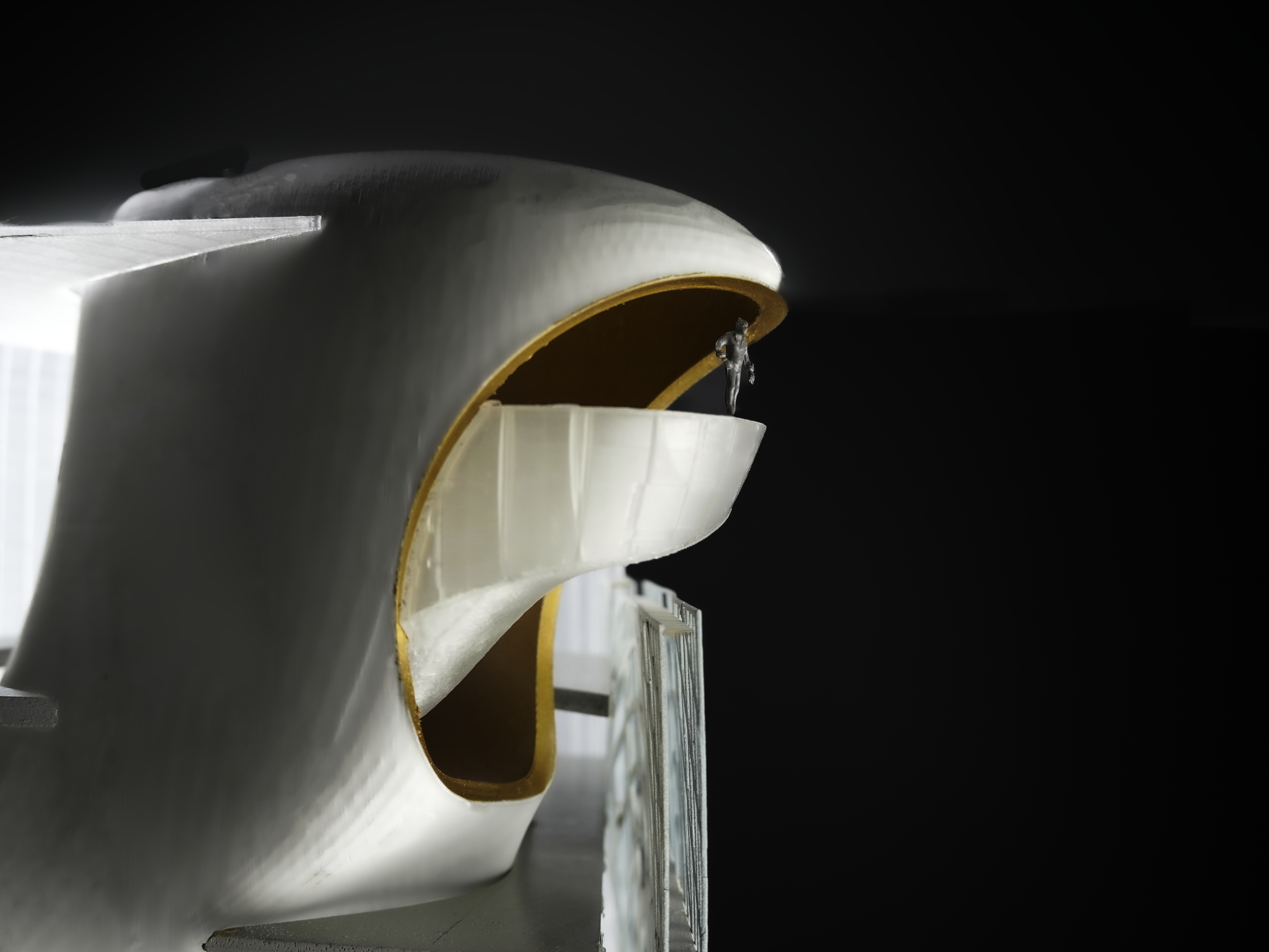
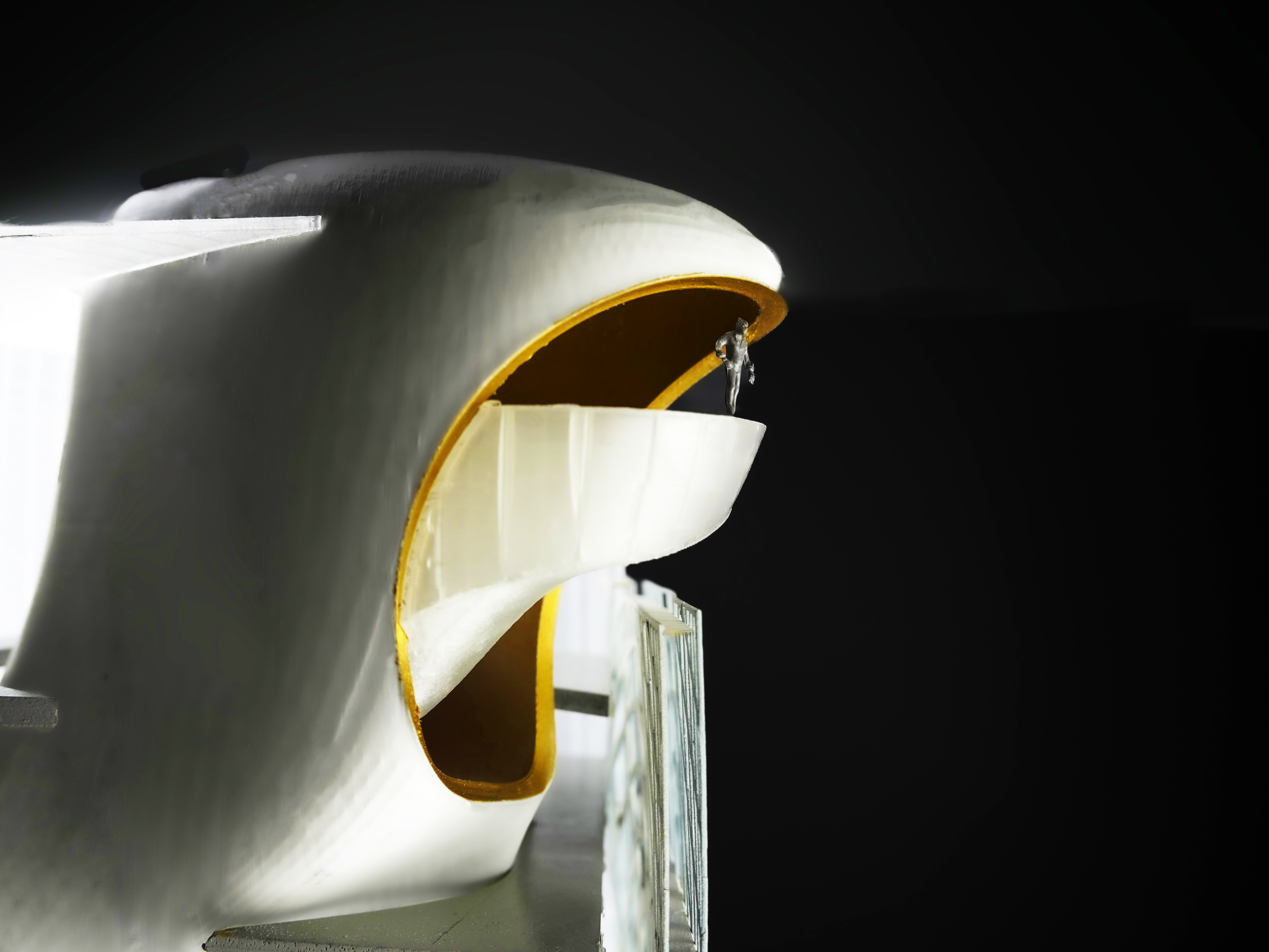
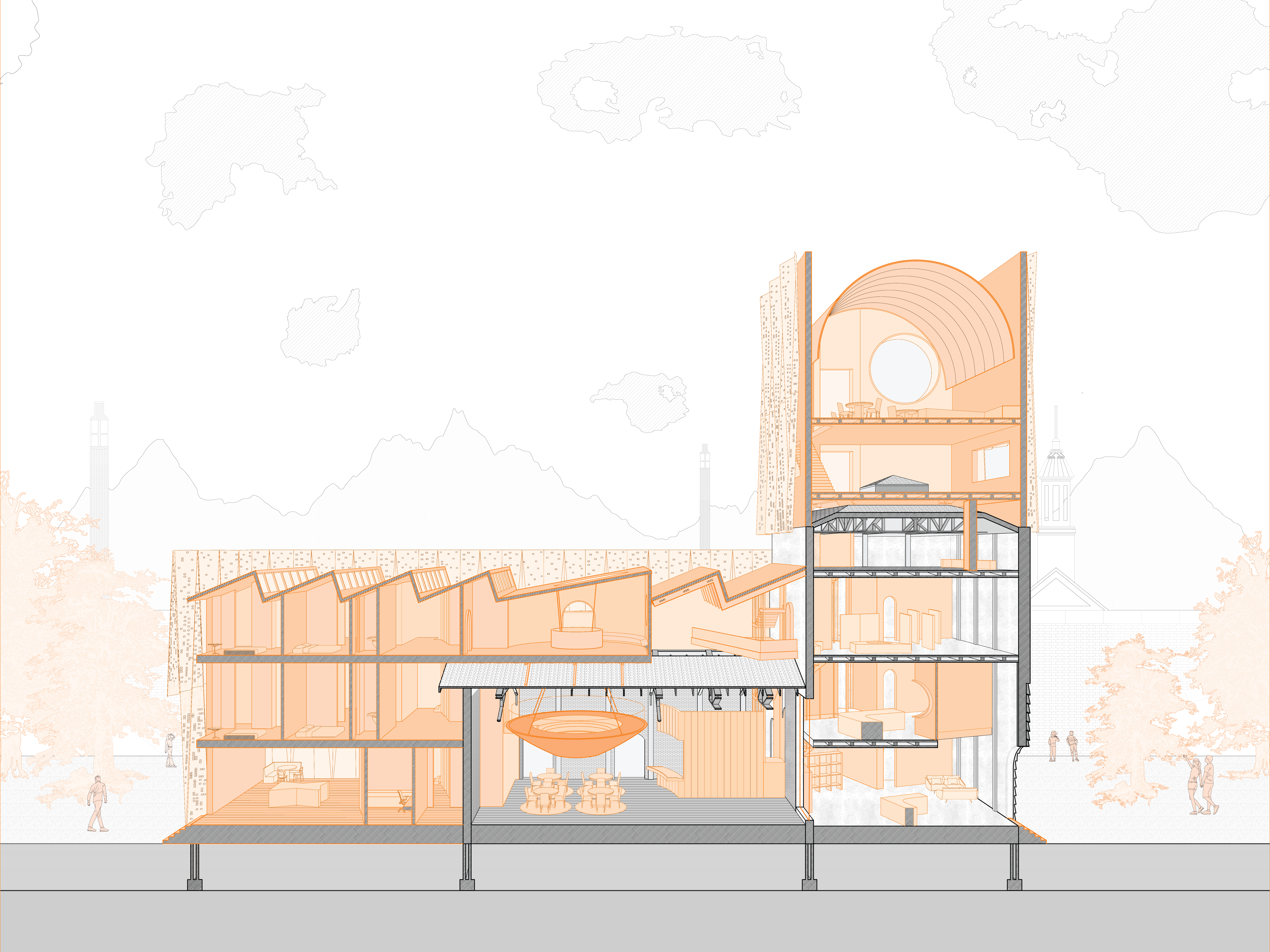
Similarly, the facade aims to play with ideas of transparency, and privacy. At moments, the infrastructure needs to be revealed to the outside, while at other times, it may be advantageous to be more concealed. AI studies provoke a playful conversation regarding materiality. 
My project embraces the aesthetics and logic of techno-futurism - hard surfaces, seamless integration, real-time systems, where the material language mirrors the machine intelligence it houses. This is a world of brushed metal, luminous interfaces, and calibrated tolerances - spaces that reflect the velocity and abstraction of the networks they serve. In doing so, the hub becomes both a symbol and an instrument of contemporary urbanism, not shying away from the reality of automation but leaning into its uncanny presence. Here, architecture becomes a tool of cognitive estrangement, revealing what typically hides in plain sight. 

Through spatial overlays, glass partitions, and exposed infrastructural circuits, the building renders visible the signals, flows, and decisions that quietly orchestrate daily life. The final narrative the project speaks to is the invisible, or what I call “the soft”- not soft in form or feel, but in presence: the silent calculations, sensor networks, and data exchanges that shape our environments. The hub will track and display these flows of information, becoming a new kind of civic interface - one that doesn’t just transport goods, but reveals the deeper systems that transport us.


You may also like

Back to Top